

Curse of Knowledge
The curse of knowledge makes it difficult to imagine what something looks like to a person who does not know it. Familiar steps begin to feel obvious, and missing context becomes hard to notice. This can create unclear teaching, instructions, and communication.
When your own knowledge makes another person's confusion hard to understand.
See how Curse of Knowledge can shape everyday judgment, then use examples and response prompts to test the assumption before it guides a decision.
How It Shows Up in Everyday Life
The curse of knowledge makes familiar information feel more obvious and accessible than it is to someone encountering it for the first time. Experts may skip definitions, assumptions, or intermediate steps because those elements no longer require conscious thought. Confusion is then mistaken for inattention rather than missing context.
Everyday Example: An experienced colleague explains a software process using abbreviations and jumps over several setup steps. When a new employee cannot follow, the colleague says the instructions were simple.
How It Looks in Action
See expertise become a barrier when shared context is assumed.

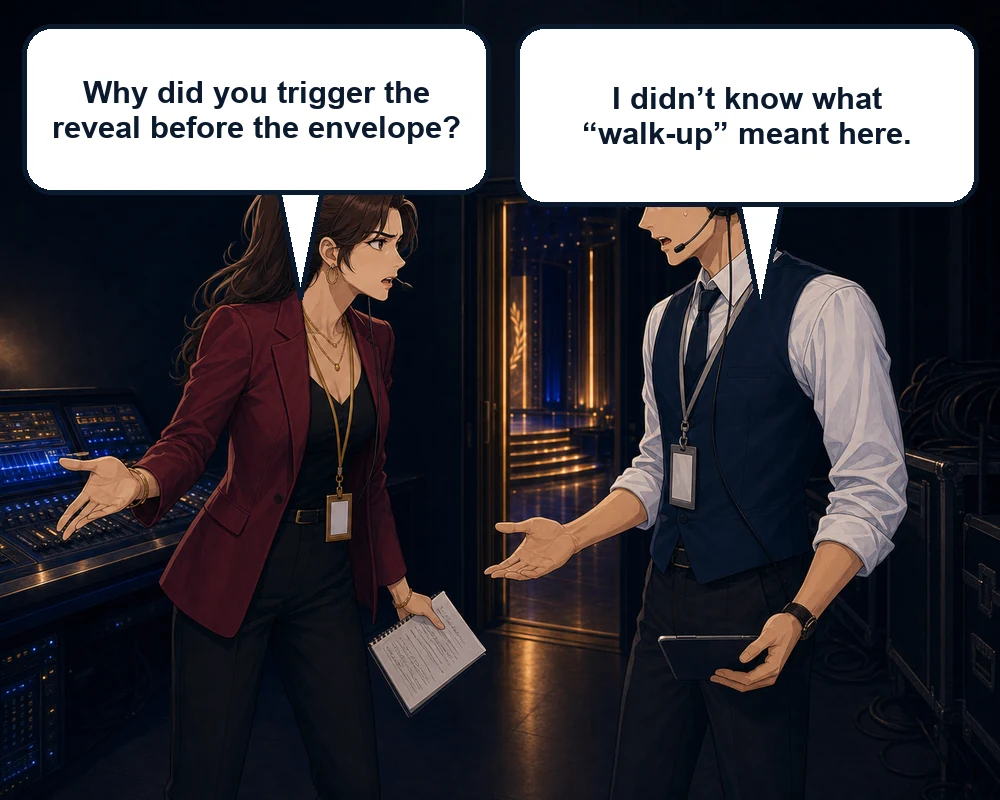
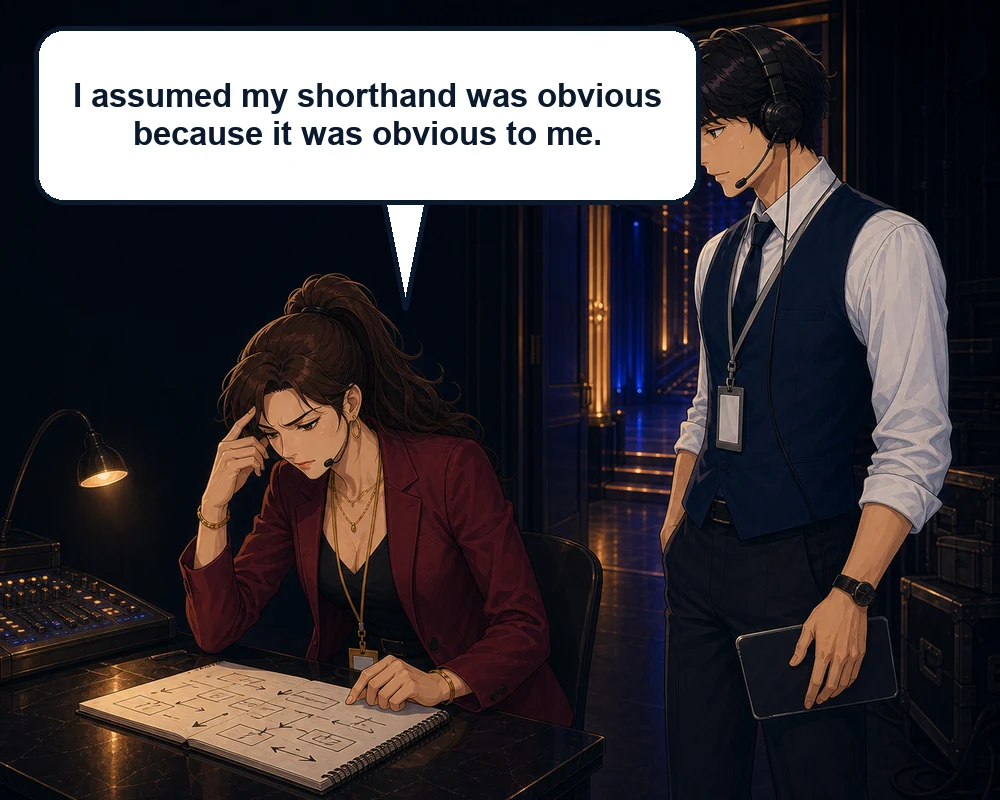
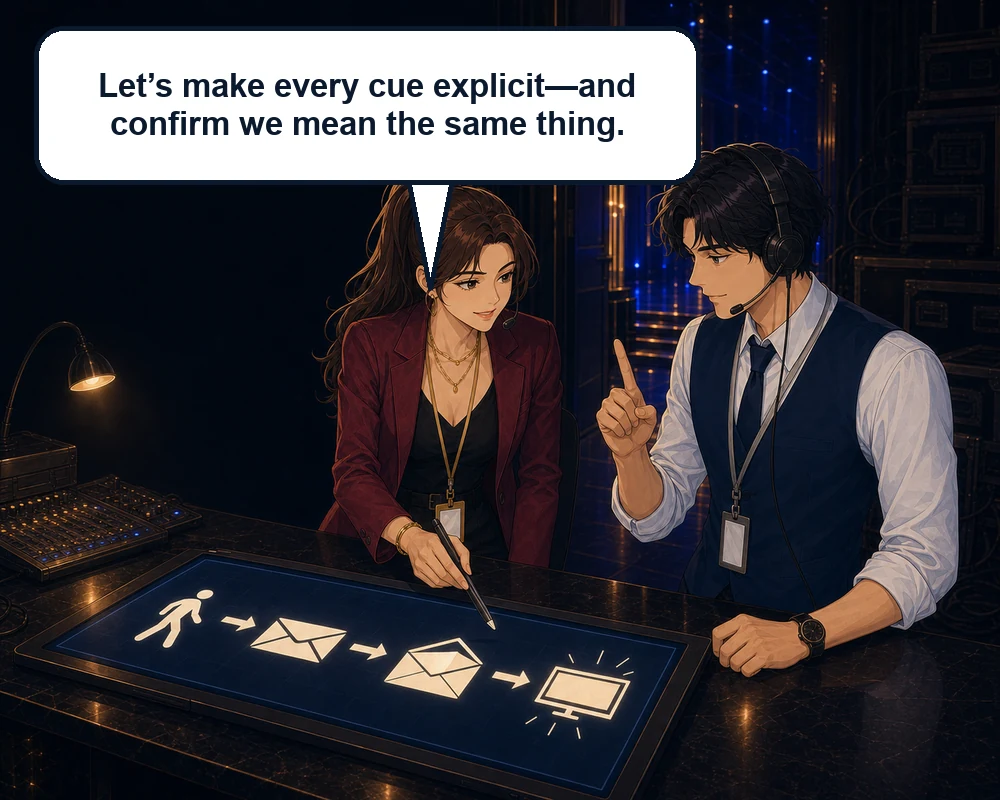
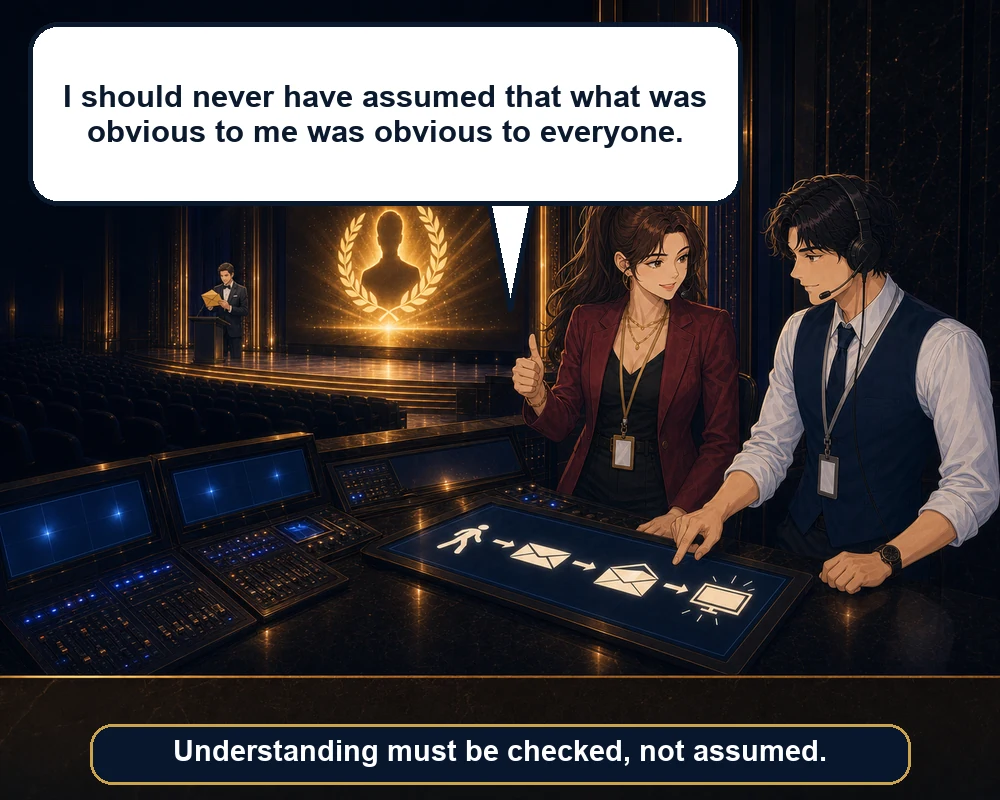

 ANIMATED LESSON
See the Curse of Knowledge in Action
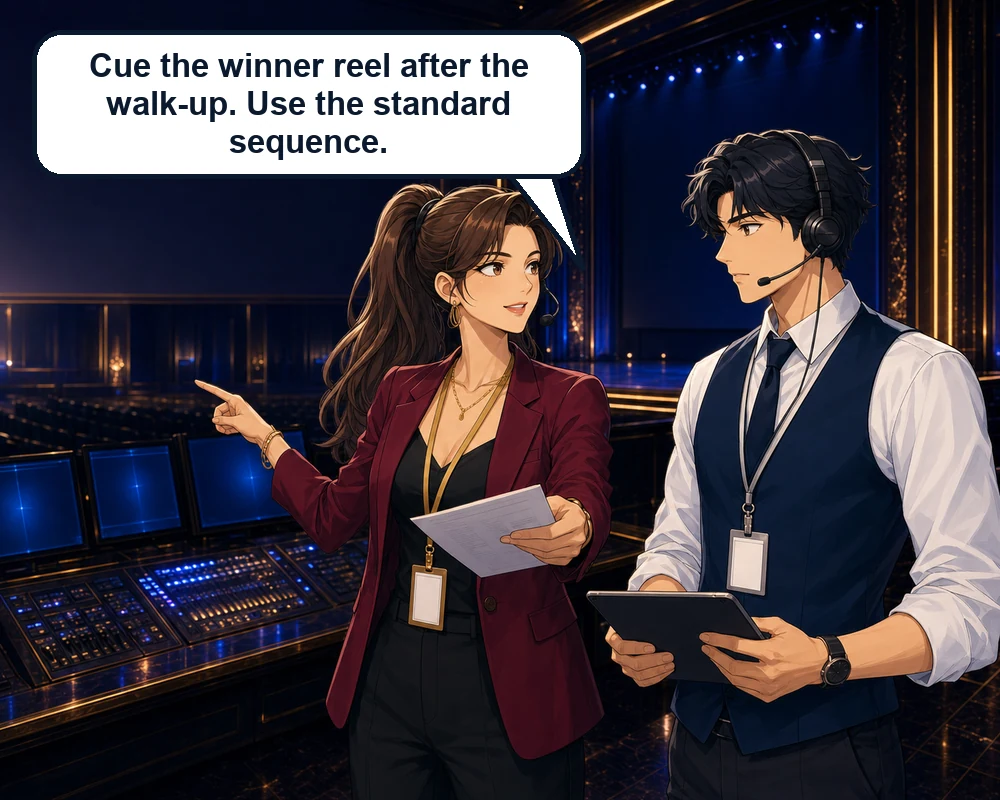
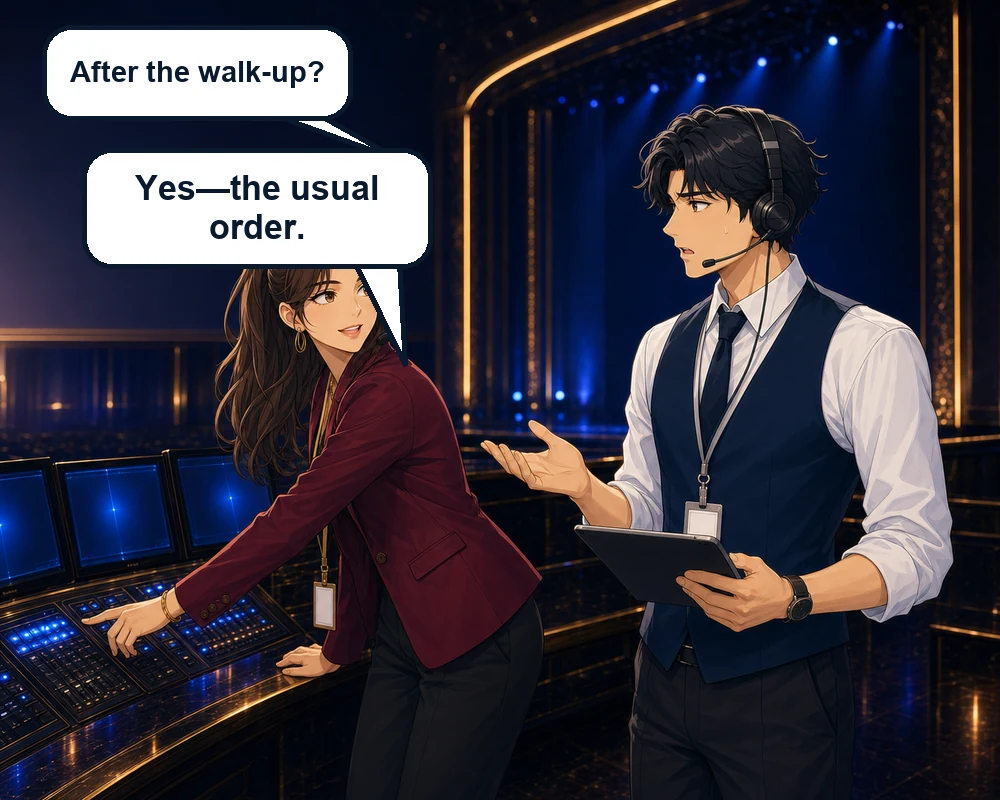
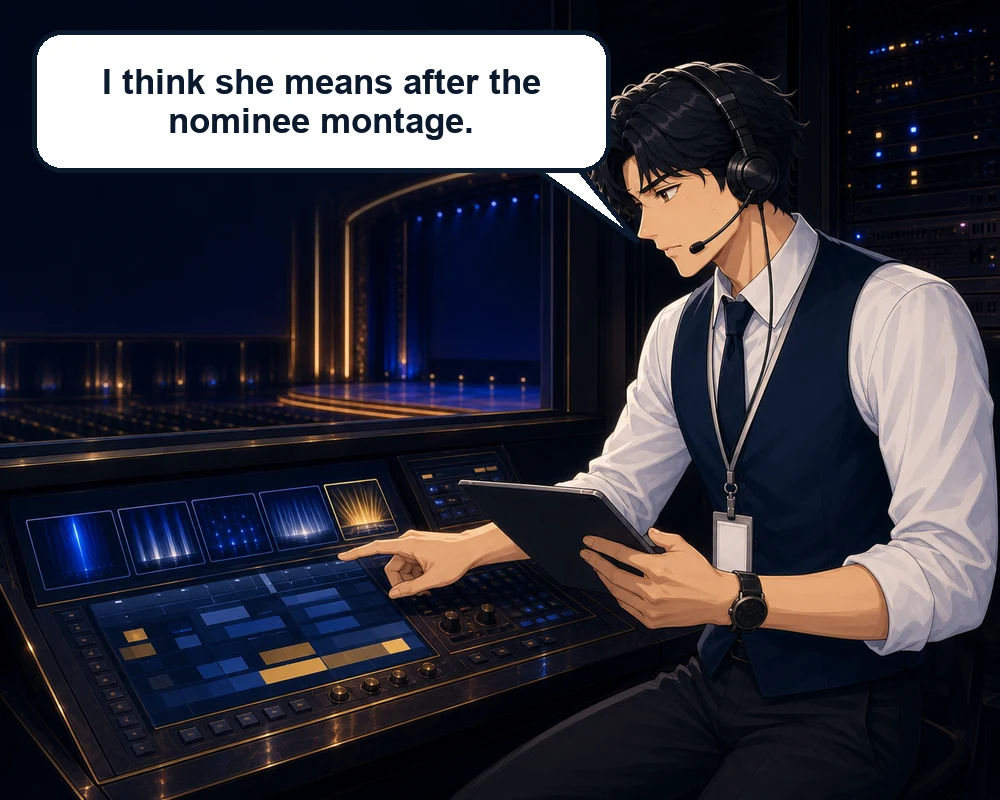
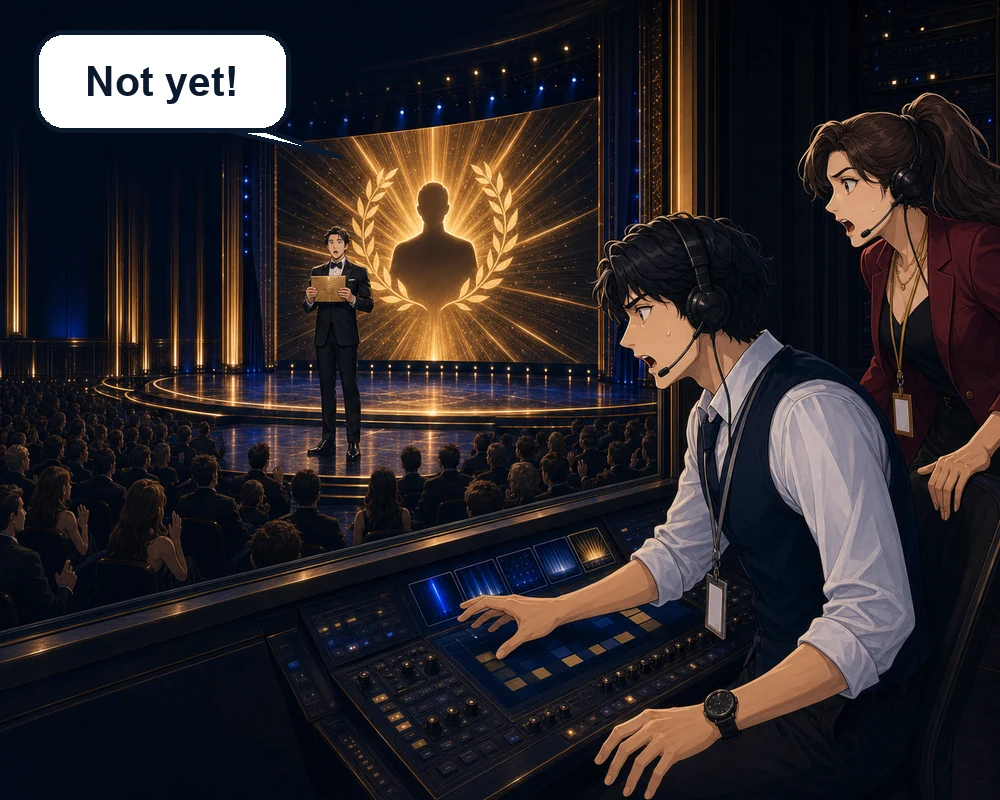
A 60-second lesson shows how expertise can make explanation harder: once you know the backstage logic, it becomes easy to forget what beginners still need spelled out.
 Transcript
00:00–00:08 A live show is about to start. The stage manager knows the sequence so well that the whole system feels obvious.
00:08–00:16 So her instructions become compressed: she skips the background, uses shorthand, and jumps straight to the advanced steps.
00:16–00:25 Narrator: “This is the curse of knowledge: once you know something well, it becomes hard to remember what it is like not to know it.”
00:25–00:34 The listener may look attentive, but still be missing the hidden assumptions that make the explanation work.
00:34–00:43 Better teaching rebuilds the missing bridge: define the terms, show the order, and make the steps visible.
00:43–00:52 Narrator: “Expertise helps when it illuminates the path instead of skipping over it.”
00:52–01:00 Clear explanation turns private expertise into shared understanding—one step, one assumption, and one example at a time.
 60 SEC LESSON
REAL-LIFE DEEP DIVE
The Curse of Knowledge in Real Life
See how expertise can quietly skip the very steps beginners need—and how clearer explanation restores shared understanding.

The Architecture Walkthrough Starts in the Middle
A staff engineer explains a legacy-modernization workflow with acronyms and hidden assumptions, leaving a newer teammate unsure what actually happens first.

 What Happened
Setup: A platform team is planning how to modernize a legacy workflow around an old internal system. The staff engineer knows the release path so well that she jumps straight into shorthand: “INT, QA, SEC, OBS, then FR with the rollback gate.”
- Lea: The handoff is simple. INT pushes to QA, then SEC signs off and OPS shadows the rollout.
- Jae: I follow most of that, but I am not sure what actually triggers the first handoff.
- Lea: It is obvious from the board. Once FR opens, the rollback gate sits behind the observation path.
- Mina: We may be assuming too much. The diagram makes sense only if you already know the system history.
- Team lead: Let’s slow down and restate the flow from the beginning, with each acronym and dependency explained.
Immediate consequence: The meeting almost ends with polite nodding instead of real understanding. Once the team redraws the sequence in plain language, the hidden assumptions become visible and the plan becomes teachable.
 How Expertise Hides the Missing Steps
 Expert compresses the modelThe overview starts in the middle
 Jargon replaces basicsAcronyms stand in for explanation
 Listener fills the gapsQuestions stay unasked
 Errors reveal the gapThe plan is misunderstood
 Shared map restores claritySteps and assumptions are spelled out

“Just Dry-Fit the Frame” Means Nothing to a Beginner
An experienced maker forgets that assembly words, tool choices, and visual shortcuts are not obvious to someone doing the project for the first time.

What Happened
Setup: At home, Tessa helps Noah assemble a detailed model kit. She has built dozens before and describes the process in compressed expert language: “Just dry-fit the frame, square the walls, and brace the corners before you glue.”
To Tessa, each phrase points to a familiar sequence of actions. To Noah, it is a cloud of terms without a stable picture. He keeps reading the booklet, trying to infer what “square the walls” is supposed to look like and when the braces matter. The curse of knowledge often feels like impatience with a “simple” task, when the real problem is that the learner cannot yet see the mental model the expert is using. Once Tessa demonstrates one step slowly—and explains what she is checking for—the task becomes understandable instead of mysterious.
Immediate consequence: What looked like beginner hesitation was mostly missing explanation. Slowing down turns private know-how into something another person can actually follow.
How Familiar Skill Stops Explaining
- Task feels obviousExpert skips beginner context
- Invisible steps disappearKey checks go unsaid
- Beginner imitates blindlyConfidence drops
- Confusion slows the taskRework becomes likely
- Step-by-step coaching helpsUnderstanding catches up

The Public Briefing Assumes Everyone Speaks Planner
A presenter uses insider terminology, map conventions, and technical categories that are familiar to professionals but confusing to the people affected by the decision.

What Happened
Setup: At a public meeting about a neighborhood plan, the presenter walks through zoning overlays, modal share targets, and corridor-phase sequencing as if the audience already works in planning.
- Presenter: As you can see, the transition overlay aligns with the mixed-use corridor once the phase-two mobility target activates.
- Resident: I am not sure what that means for my block or when the parking change would happen.
- Committee member: The map is precise, but many people here may not know the terms being used.
- Presenter: I thought the legend and category labels made it self-explanatory.
- Chair: Let’s restate the proposal in plain language: what changes, where, and on what timeline?
Immediate consequence: The room moves from passive confusion to meaningful discussion only after the technical explanation is translated into everyday terms. Expertise becomes useful again once it is made accessible.
How Expert Language Loses the Audience
- Technical framing beginsInsider terms set the tone
- Background knowledge is assumedThe audience cannot decode the map
- Questions become harder to askPeople fear sounding uninformed
- Support becomes fragileConfusion masquerades as agreement
- Plain-language restatement helpsThe issue becomes discussable

The Tech Setup Guide Starts Three Steps Too Late
A tech-savvy son explains home-network setup with terms that make perfect sense to him, while his mother is still trying to understand the basics those instructions depend on.

What Happened
Setup: At home, Leo helps his mother reconnect her router and tablet. He starts with, “Open the SSID list, join the 5G network, then re-enter the passkey and re-enable the two-factor backup.”
Leo is trying to help, but his explanation begins after several unstated steps. His mother is still working out which screen matters, what an SSID is, and how the tablet differs from the laptop sitting beside it. Because Leo already knows the whole path, the basics feel too trivial to mention. That is the curse of knowledge: the missing steps become invisible to the person who no longer needs them. Once he restarts from the beginning—“This is the Wi-Fi name; this is the password field; this is why there are two network options”—her confusion quickly decreases.
Immediate consequence: The problem is not lack of intelligence or effort. The problem is that expert shorthand arrived before shared understanding did.
How “Simple Instructions” Become Hard to Follow
- Knower overestimates clarityTerms feel familiar
- Basics stay unstatedThe listener lacks orientation
- Instructions arrive too fastSteps blur together
- Mistakes look like inattentionThe real problem is hidden assumptions
- A beginner path is rebuiltConcepts come before commands
WHEN EXPERTISE STARTS SKIPPING STEPS
Is It the Curse of Knowledge or Clear Teaching?
Knowing something well is valuable. The key question is whether that expertise is being translated for the listener—or merely assumed.

Likely a Curse of Knowledge Problem
- The speaker jumps ahead and treats key background knowledge as obvious.
- Specialized terms or shortcuts are used before the basics are made clear.
- The listener looks lost, but the explanation keeps moving anyway.
- Confusion is blamed on the audience instead of on the missing bridge between expert knowledge and beginner understanding.

Clear, Accessible Expertise
- The expert checks what the listener already knows before adding complexity.
- Terms, assumptions, and sequence are explained in plain language first.
- Examples or demonstrations make the invisible steps visible.
- Questions are welcomed, and the explanation is adjusted until understanding is shared.
Question AssumptionsThink More Clearly