

Sunk Cost Fallacy
The sunk cost fallacy keeps you committed because you have already invested time, money, or effort. Those past costs cannot be recovered, yet they influence the next decision. A better choice focuses on future costs, benefits, and alternatives.
When what you already spent keeps you in a choice that no longer serves you.
See how Sunk Cost Fallacy can shape everyday judgment, then use examples and response prompts to test the assumption before it guides a decision.
How It Shows Up in Everyday Life
The sunk cost fallacy keeps past investments inside a decision that should be based on future value. Time, money, or effort already spent can make leaving feel like admitting waste, even though continuing cannot recover those costs. The relevant question is what the next investment is likely to produce.
Everyday Example: You continue an expensive course that no longer fits your goals because you have already completed half of it. The money and time are gone either way, but they make changing direction feel harder.
How It Looks in Action
Watch past investment keep a failing decision alive.
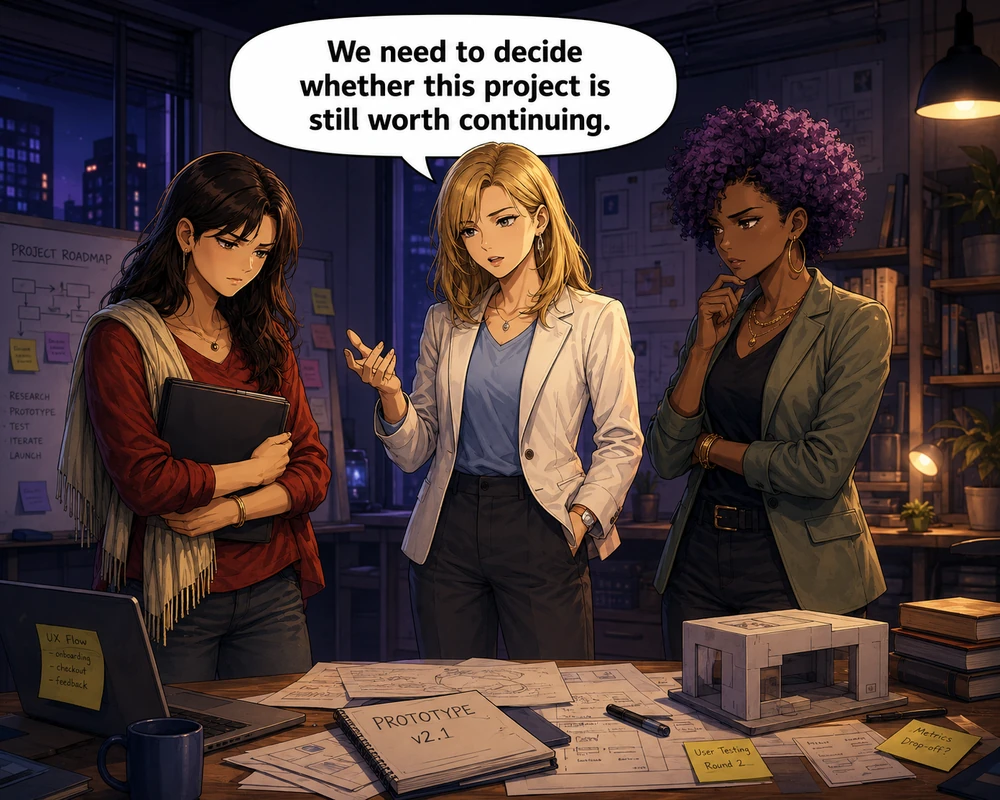
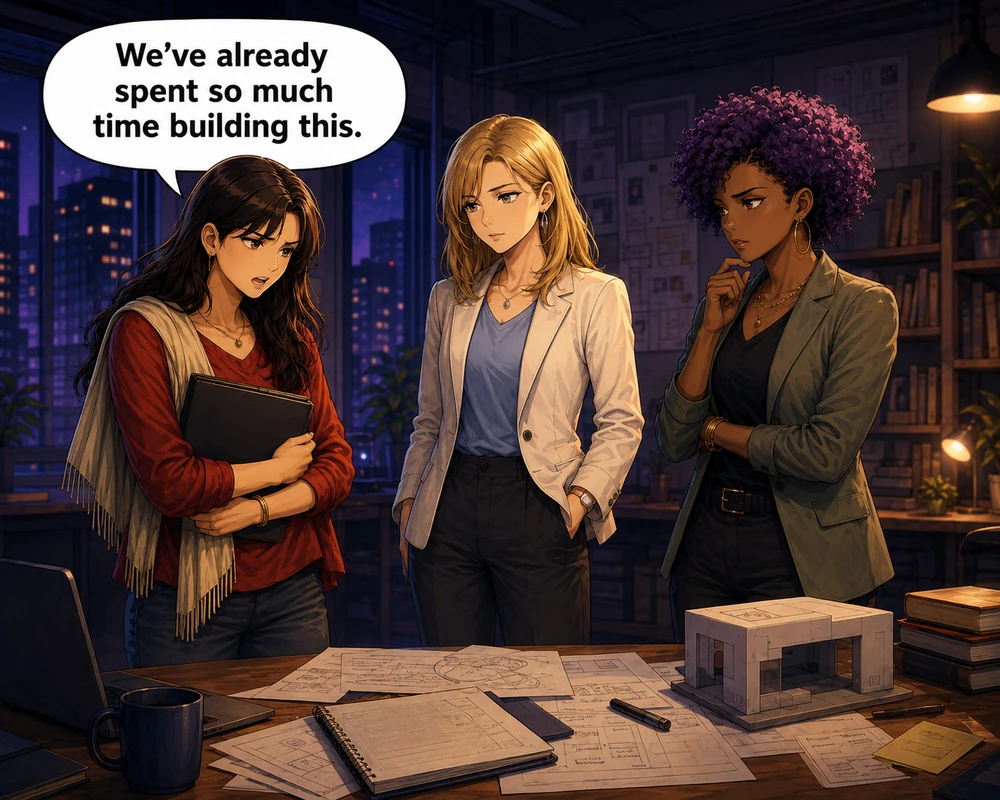
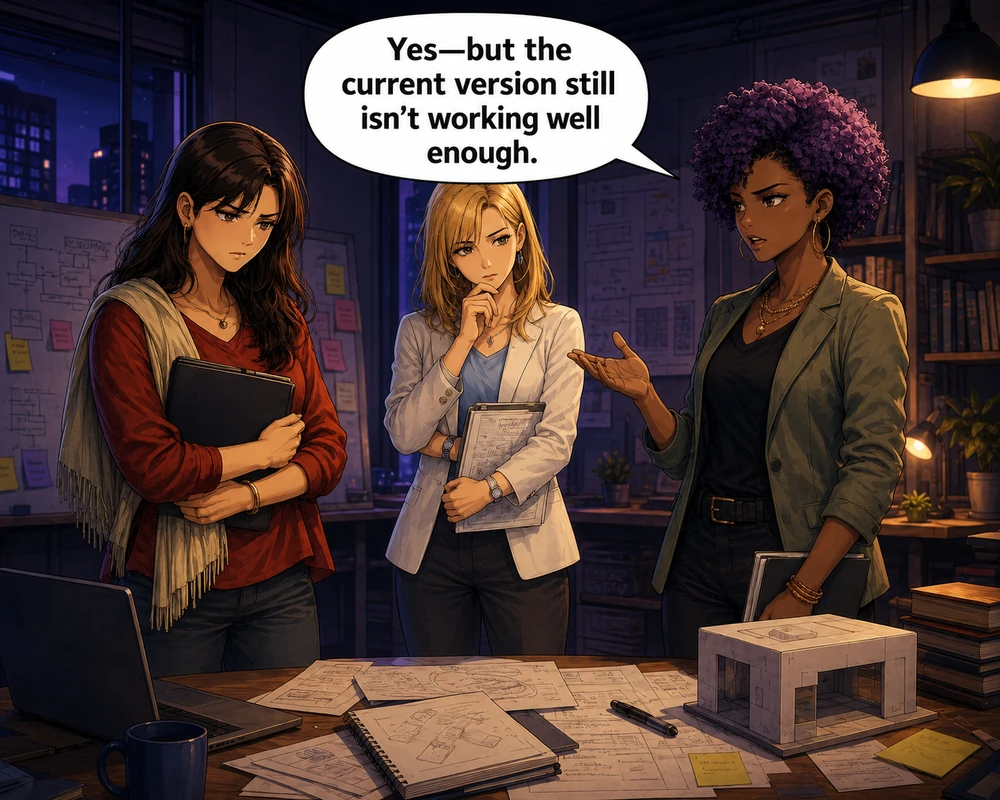
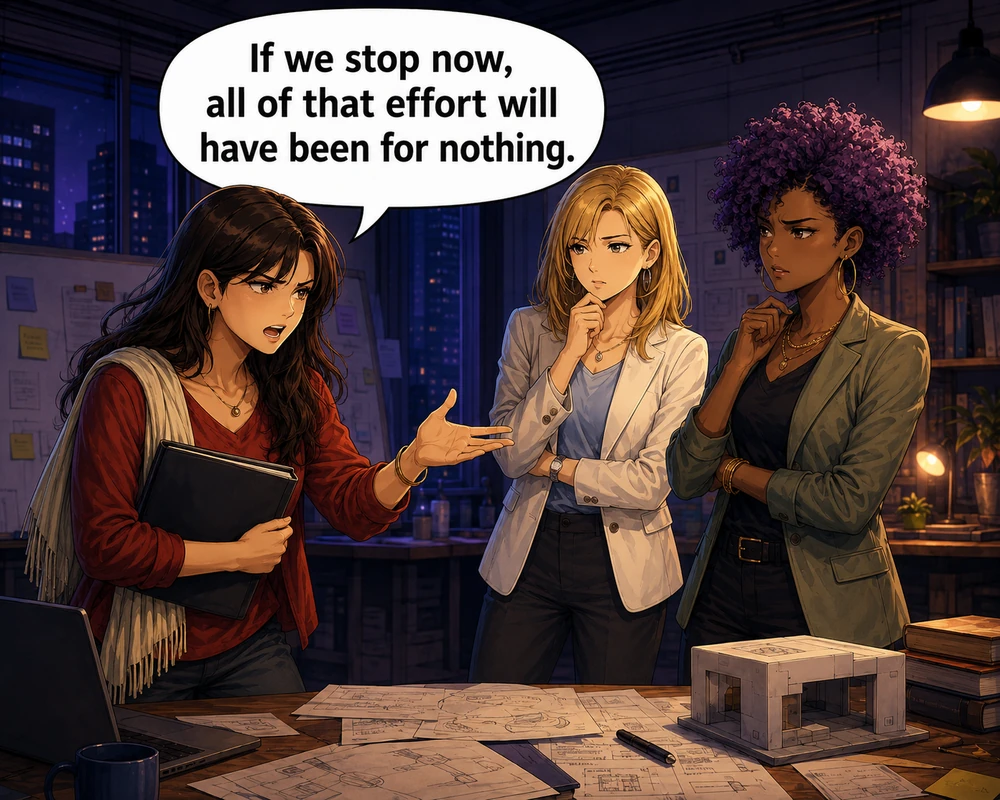
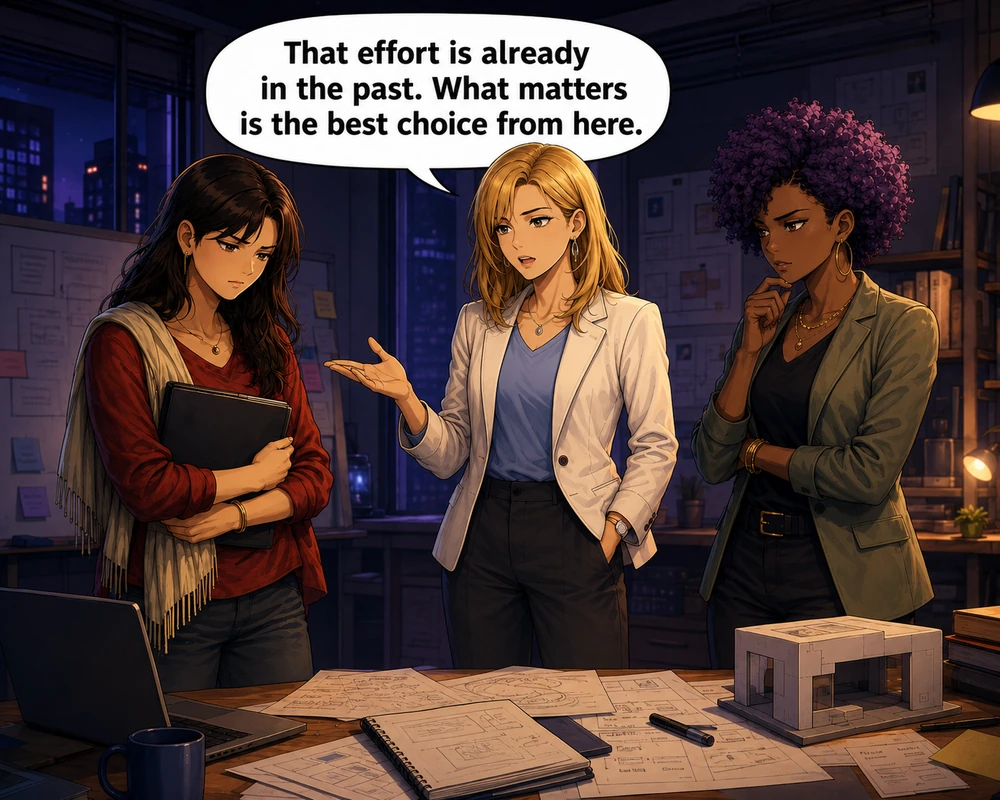
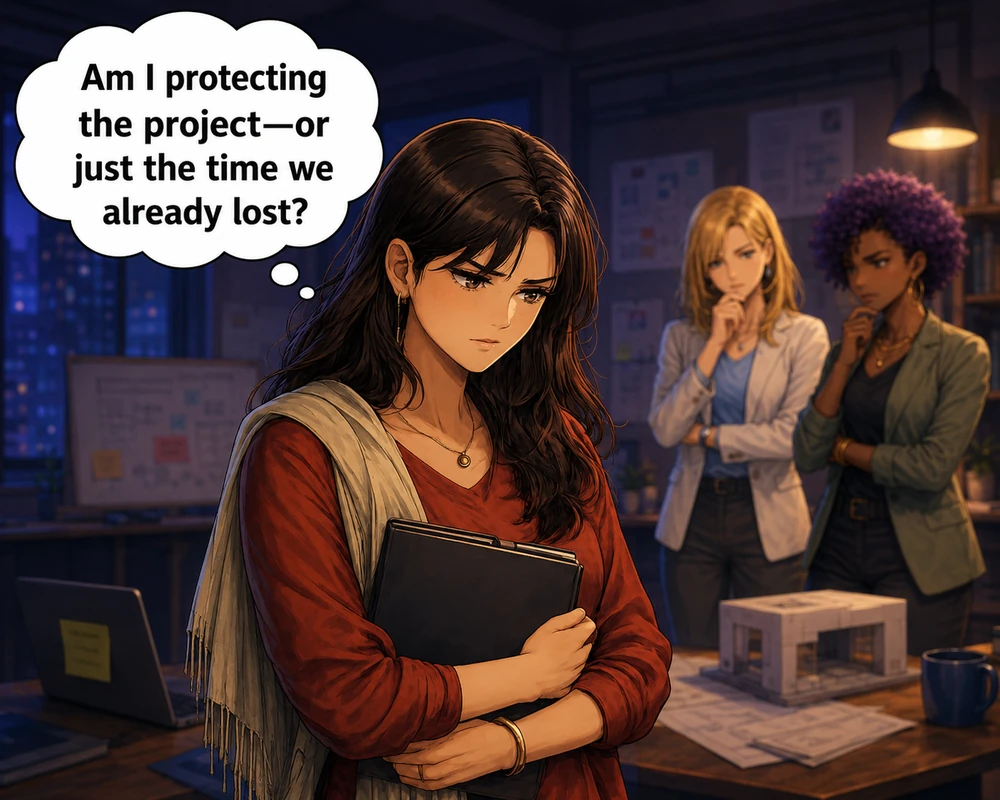
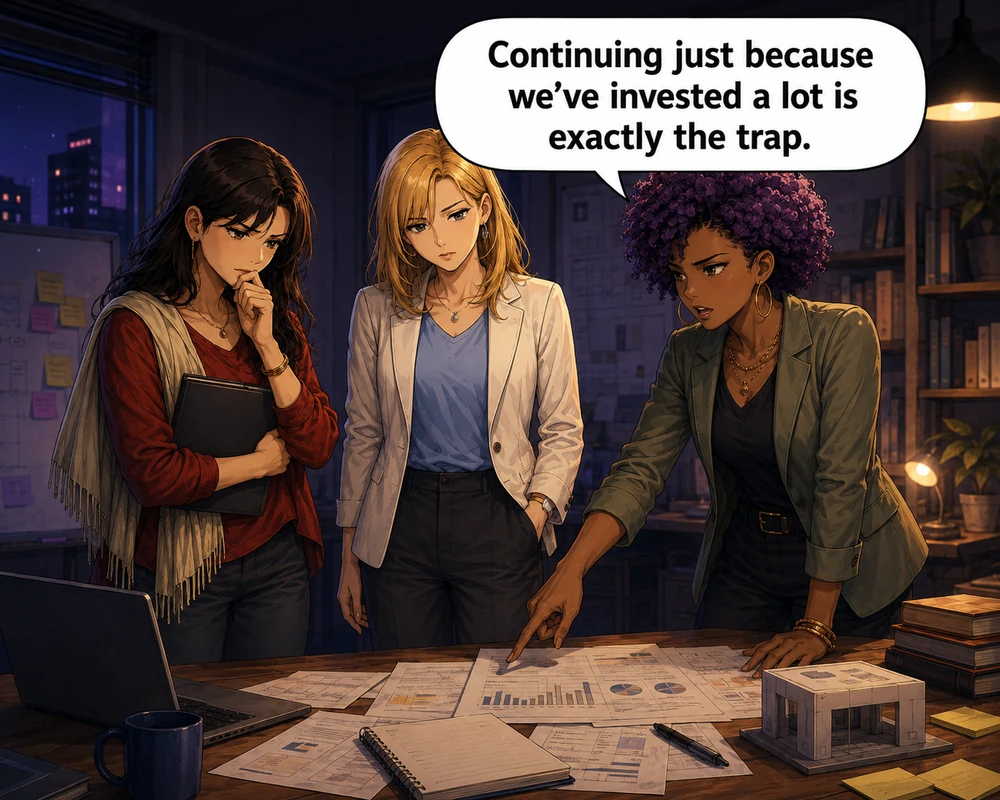
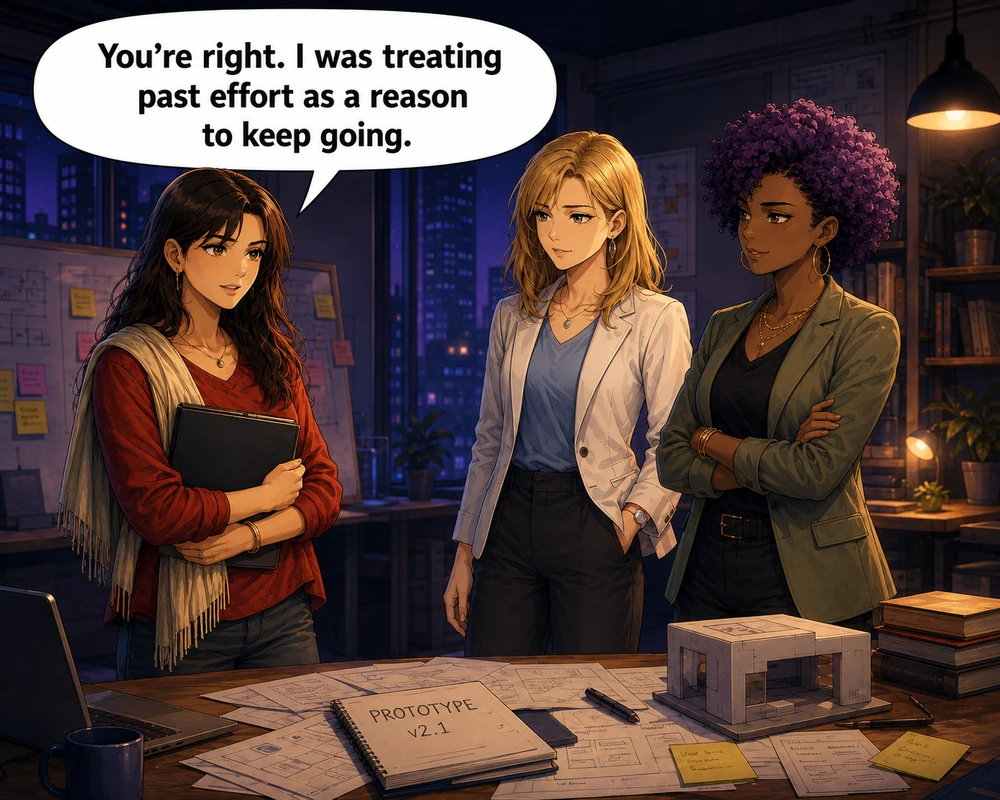

ANIMATED LESSON
See Sunk Cost in Action
Past effort, time, and money can feel like reasons to continue—even when the future case keeps getting weaker.
Transcript
 Transcript
00:00–00:10 — A difficult decision arrives after months of work. The project is slipping, but stopping now feels painful because so much has already been invested.
00:10–00:20 — The mind quietly converts past cost into a reason to continue, even though those earlier resources cannot be recovered.
00:20–00:31 — This is the sunk cost fallacy: a choice is guided by what has already been spent instead of what is most rational from this point forward.
00:31–00:42 — A better question is not, ‘Have we already invested a lot?’ It is, ‘What option creates the best future outcome from here?’
00:42–00:52 — Sometimes persistence is wise. But persistence is only justified when the forward-looking evidence is strong enough, not merely because the past was expensive.
00:52–01:00 — Honor the past, but do not let it trap the future. Decide by expected value, opportunity cost, and realistic alternatives.

REAL-LIFE DEEP DIVE
Sunk Cost Fallacy in Real Life
See how prior investment can trap people, teams, and institutions into continuing decisions that no longer make sense.

The Modernization Project No One Wants to Stop
After 18 months of delays, a software team starts treating past spend as a reason to keep funding a shaky internal platform rewrite.

What Happened
 What Happened
Setup: A product team reviews a troubled modernization effort for a legacy operations platform. The rewrite is behind schedule, adoption is low, and core architecture decisions are still unstable.
- Leila: We have already spent eighteen months on this rewrite. We cannot stop now or all that work will be wasted.
- Nora: That money and time are already gone. The question is whether one more quarter actually improves our future position.
- Priya: The latest prototype still fails our critical workflow tests, and support costs keep rising.
- Leila: I know—but abandoning it feels like admitting the last year and a half meant nothing.
- Nora: It meant we learned a lot. But learning is not the same as a reason to continue funding the same plan.
Immediate consequence: The team reframes the decision around future value, delivery risk, and alternatives. They stop treating past investment as proof that the rewrite should continue unchanged.
How Prior Spend Becomes the Argument
 How Prior Spend Becomes the Argument
- Heavy investmentTime and budget sunk
- Stopping hurtsWaste feels vivid
- Warnings fadeProblems rationalized
- More committedExtra resources added
- Future retestedOptions compared
 Heavy investment
 Stopping hurts
 Warnings fade
 More committed
 Future retested
Years of Effort Keep a Failing Partnership Alive
Two creators hesitate to end a draining collaboration because they have already poured years of work into it.

What Happened
Setup: Mira and Clara have spent three years building an independent design studio together. Lately the partnership has become exhausting: deadlines slip, priorities clash, and the work no longer feels sustainable.
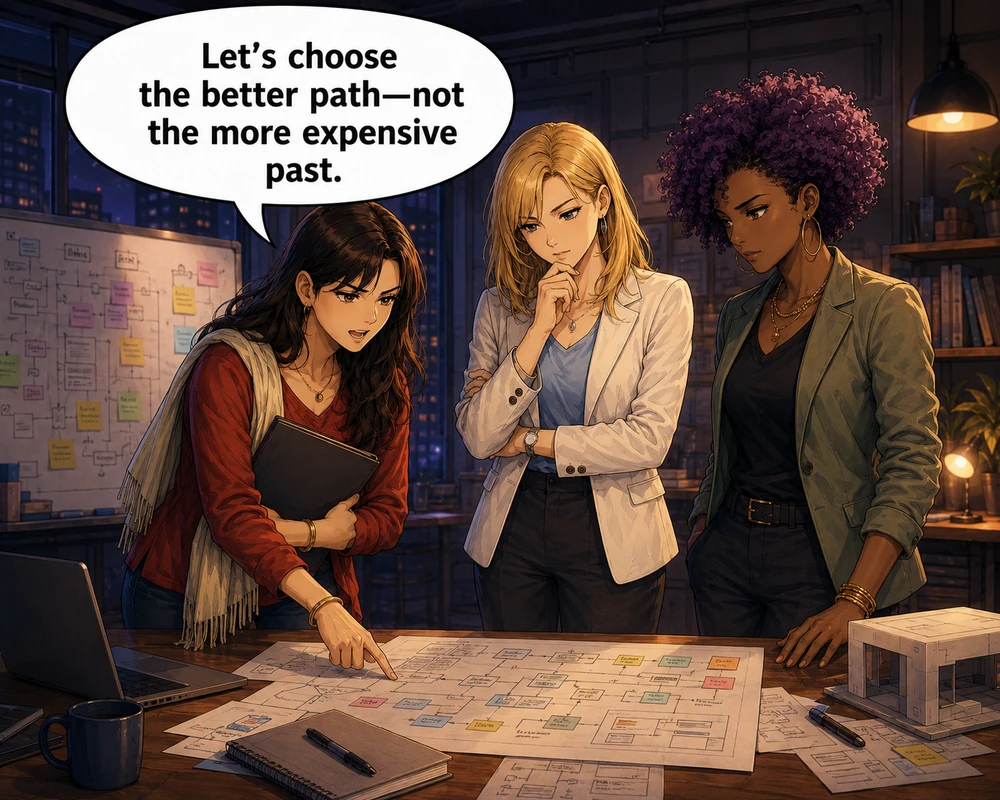
During a late-night review, they sort through sketches, old plans, and photos from earlier milestones. Mira keeps returning to the same thought: they have invested too much history to step away now. Clara gently challenges that frame. The years already spent explain why the decision feels emotional, but they do not answer whether the next year will be healthy, productive, or financially sensible. Once they separate nostalgia from forward-looking judgment, they realize they can honor the past work without forcing the future to continue on the same path.
Immediate consequence: The pair move from ‘we already put so much into this’ to a clearer test: what arrangement best serves their future well-being, goals, and costs from this point onward?
How History Turns Into Pressure
- Shared historyYears feel binding
- Emotional weightLetting go hurts
- Future blurredCosts overlooked
- Partnership prolongedMismatch continues
- Forward testNeeds reassessed

A Half-Built Bridge Keeps Pulling In More Money
A city committee is tempted to keep funding an over-budget infrastructure project mainly because so much has already been spent.

What Happened
Setup: A public review committee examines an unfinished bridge project. Construction setbacks and rising material costs have pushed the budget far beyond the original forecast.
- Chair: We have already committed a massive amount to this project. Halting it now would be politically brutal.
- Analyst: That prior spending is real, but it is not recoverable. The question is whether additional funding now still creates public value.
- Member: If expected traffic, safety, and economic benefits no longer justify the next tranche, we should not treat past cost as a mandate.
- Chair: So the responsible frame is not ‘finish because we started’—it is ‘compare the best remaining options from here.’
- Analyst: Exactly. Continue, redesign, pause, or cancel—but judge those choices with forward-looking evidence.
Immediate consequence: The committee recognizes that public accountability requires evaluating future benefits and alternatives, not merely defending the size of earlier commitments.
How an Overrun Becomes Self-Justifying
- Budget overrunPast spend grows
- Stopping stigmatizedLoss feels public
- More funding urgedMomentum dominates
- Alternatives ignoredExit options shrink
- Public value testedBest path compared

Repair Bills Keep an Aging Car in the Garage
A driver keeps approving more repairs mainly because so much has already been spent on the same unreliable car.

What Happened
Setup: Evan brings his aging car back to the repair shop for another expensive fix. Over the past year, he has already paid for multiple repairs and hates the thought of ‘giving up’ now.
- Evan: I have already spent thousands on this car. I feel like I have to keep fixing it until that money pays off.
- Mechanic: Those earlier repairs are gone either way. What matters now is whether the next repair is better than replacing the car or changing plans.
- Evan: It is hard not to think about all those receipts sitting at home.
- Mechanic: That is understandable. But the smart comparison is future reliability, future cost, and your alternatives—not the size of past bills.
- Evan: So the real question is what gives me the best outcome from today forward.
Immediate consequence: The choice becomes a forward-looking comparison of expected future costs, replacement options, and practical needs, instead of an attempt to justify past spending.
How Old Bills Distort the Next Choice
- Past repairsMoney already spent
- Giving up stingsWaste feels personal
- New repair approvedHistory drives choice
- Options neglectedReplace vs keep blurred
- Future comparedDecision reframed
WHEN COMMITMENT HELPS—AND WHEN IT BECOMES A TRAP
Is It a Sunk Cost Fallacy or Legitimate Persistence?
Commitment can be wise when the forward-looking case is strong. It becomes a fallacy when past investment substitutes for that future case.

Likely a Sunk Cost Fallacy
- The main reason to continue is how much time, money, or effort has already been spent.
- Future benefits are weak, uncertain, or worsening, but stopping feels too painful.
- Alternatives are dismissed because quitting would feel like admitting a loss.
- The decision frame centers on recovering the past instead of improving the future.

Potentially Rational Persistence
- Continuing is supported by a fresh, forward-looking analysis of future value and risk.
- The expected future payoff still exceeds the expected future cost from this point onward.
- Alternatives, redesigns, and exit options have been seriously compared.
- Past investment is acknowledged, but it does not replace evidence about what to do next.
Question AssumptionsThink More Clearly