

Blame Shifting
Blame shifting redirects responsibility for harmful behavior onto someone else. It can keep the real issue unresolved while pressuring you to defend yourself or accept fault that does not belong to you.
Redirecting responsibility so you end up defending yourself instead.
Learn how Blame Shifting works, see it in everyday situations, notice common warning signs, and compare calm, practical ways to respond.
How It Shows Up in Everyday Life
Blame shifting redirects responsibility from a harmful choice to your reaction, personality, or supposed provocation. You may find yourself defending unrelated details while the original behavior disappears from the conversation. Context can explain an action, but it does not transfer ownership of that action to someone else.
Everyday Example: Someone yells at you during a disagreement and later says it happened only because you asked the question in the wrong tone. The discussion moves from their yelling to everything you allegedly did to cause it.
How It Looks in Action
Watch responsibility move away from the harm and onto the person confronting it.
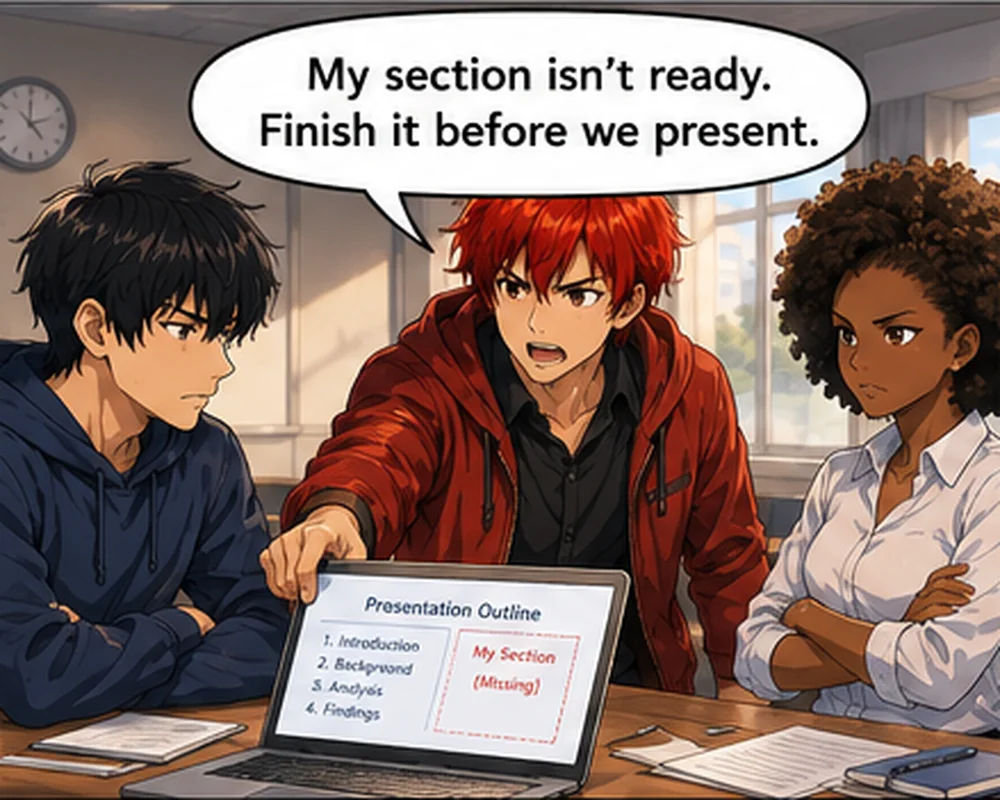
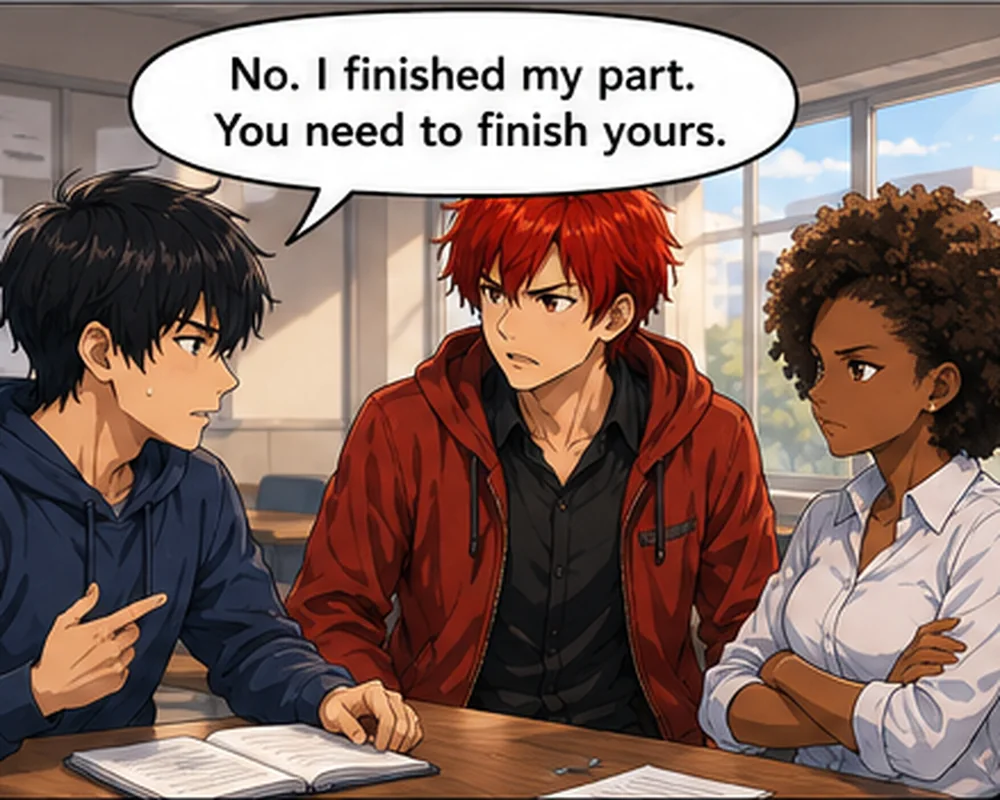
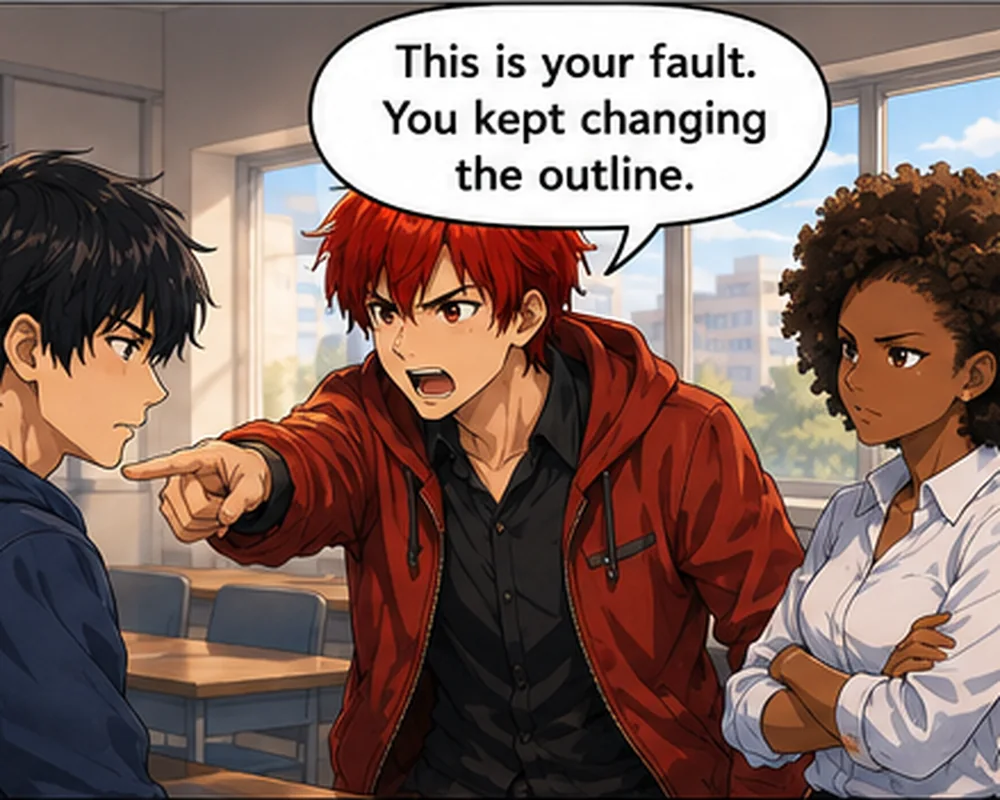
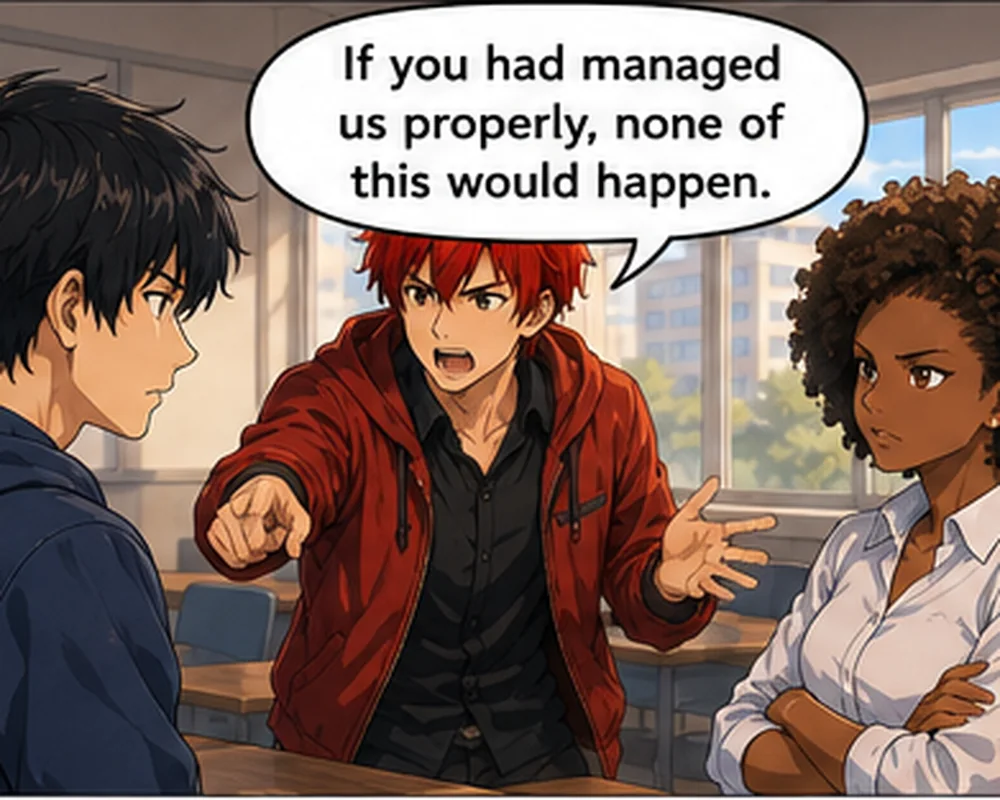
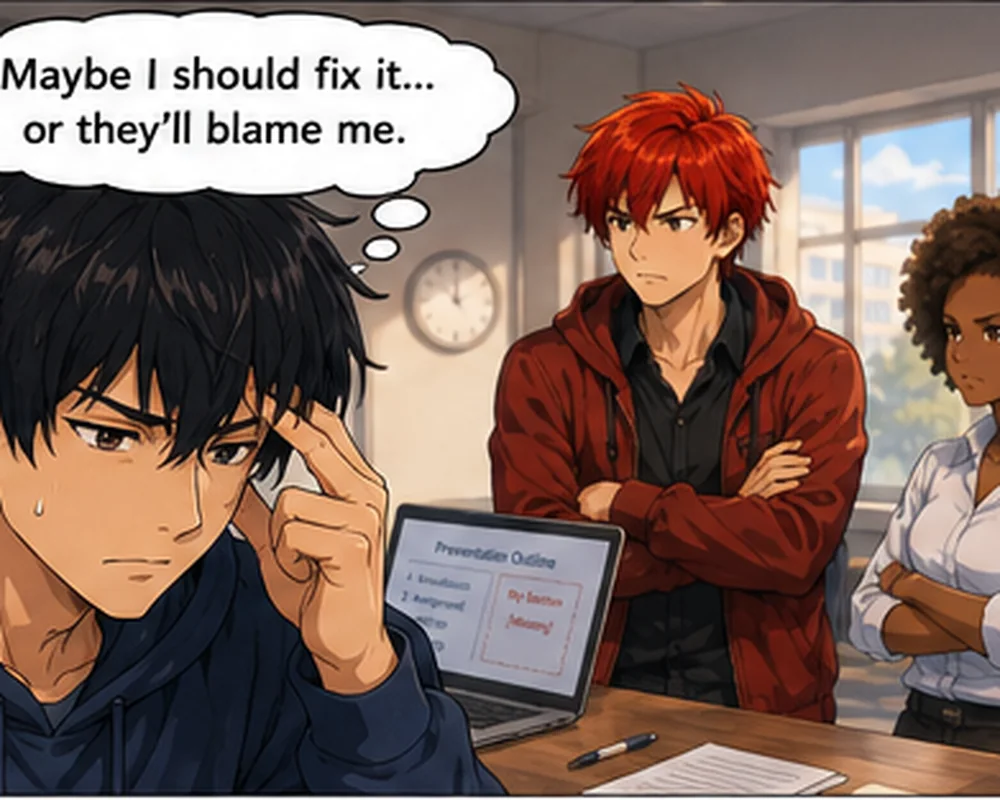
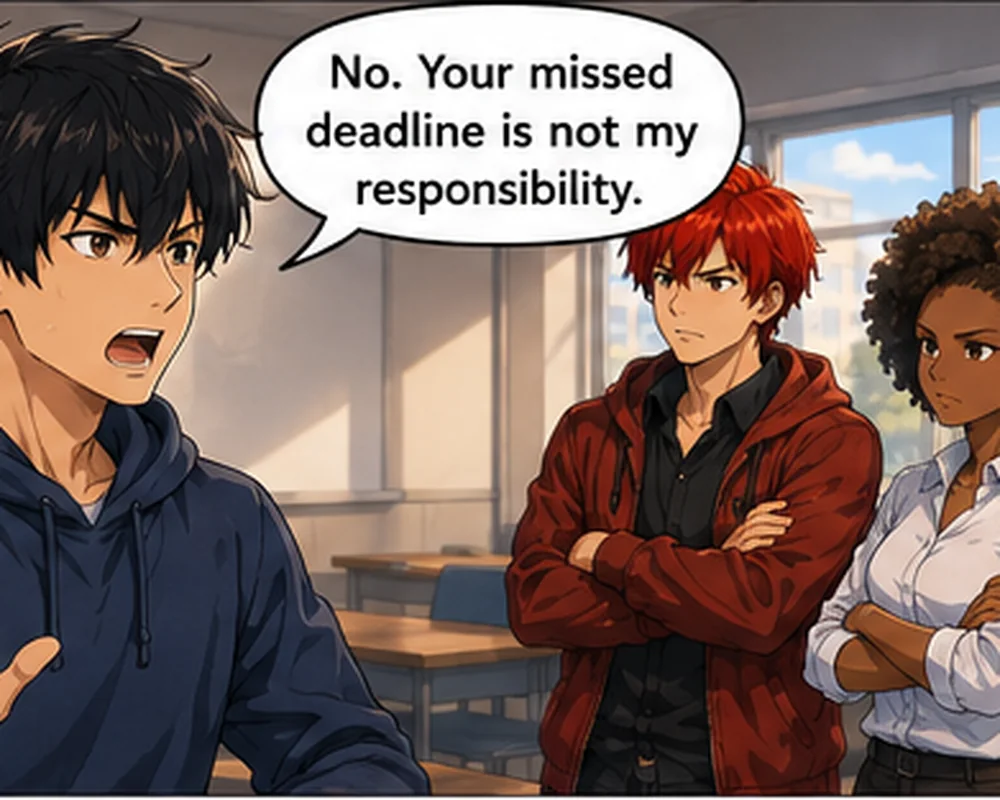
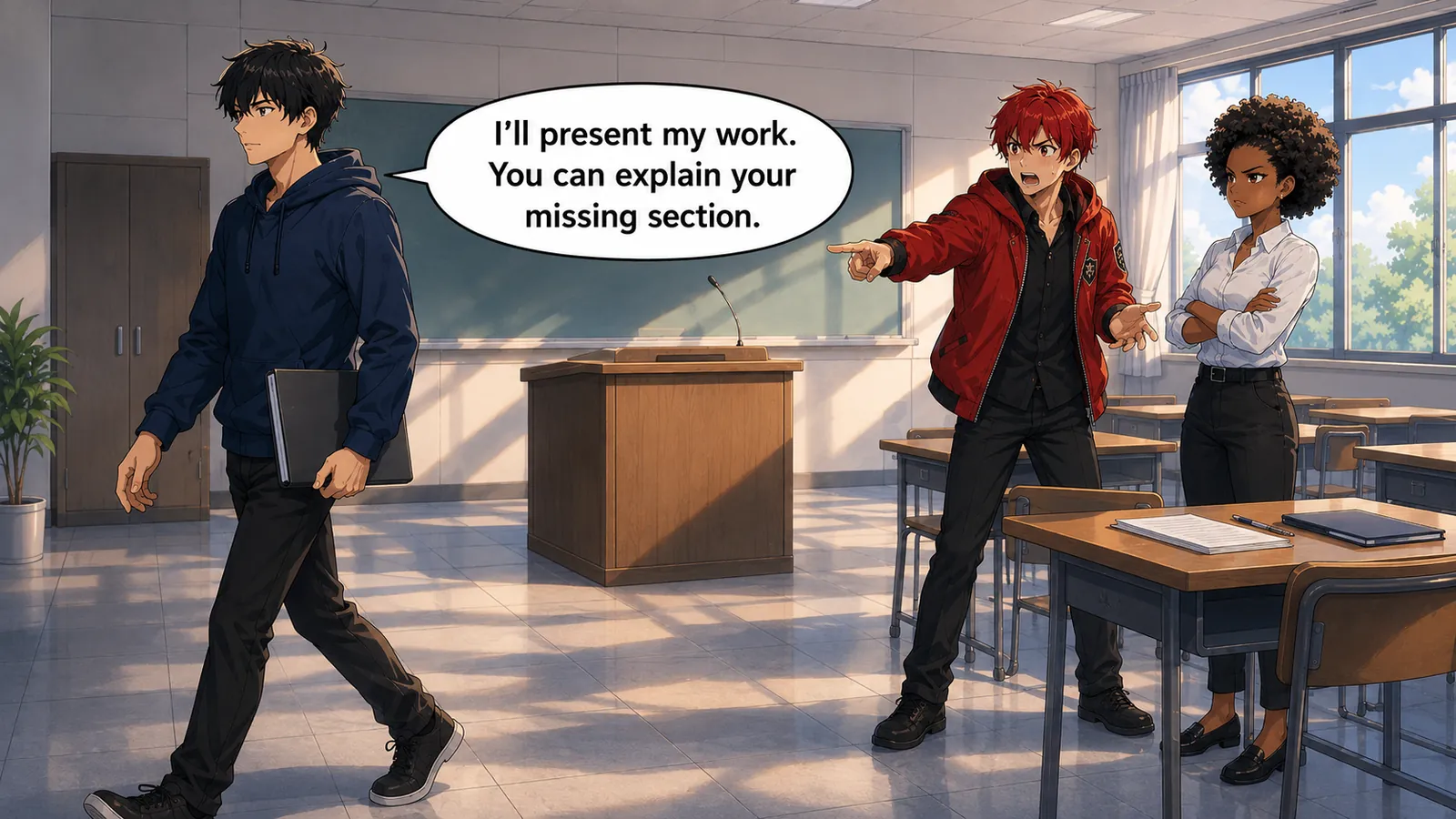

 Animated Lesson
See Blame Shifting in Action
A 60-second lesson shows how blame shifting changes the decision—and how to restore room for reflection, evidence, and consent.
 Transcript
00:00–00:15 A manager authorizes a software deployment before security approval. After an incident, he says the analyst's warning was not forceful enough.
00:15–00:30 Manager: If you truly believed the risk was serious, you should have stopped me. Analyst: I documented the risk and recommended delaying release. You held approval authority.
00:30–00:45 Blame shifting redirects responsibility for a harmful choice or outcome onto another person, often focusing on their reaction while avoiding the original conduct.
00:45–01:00 A grounded response can acknowledge shared factors without accepting false responsibility, then return to who controlled each decision and what repair is required.
 60 sec lesson
Real-Life Deep Dive
Blame Shifting in Real Life
Explore how blame shifting can appear across different settings, what makes the pressure effective, and how a clearer response reopens genuine choice.
A Deployment Error Is Assigned to the Analyst
A manager who bypassed a required review blames the analyst who warned against the release.

 What Happened
Setup: A manager authorizes a software deployment before security approval. After an incident, he says the analyst's warning was not forceful enough.
- Manager: If you truly believed the risk was serious, you should have stopped me.
- Analyst: I documented the risk and recommended delaying release. You held approval authority.
- Manager: Your calm tone made it sound optional.
- Analyst: We can improve escalation language, and the decision to bypass the gate still needs to be recorded accurately.
Immediate consequence: Communication quality can be improved without transferring the authorization decision. Separating those issues allows a useful process review and honest ownership.
 How Responsibility Gets Redirected
 A safeguard is bypassedReview is skipped
 A warning existsRisk was documented
 Authority redirects blameYou should have stopped me
 A secondary issue expandsTone becomes the cause
 Responsibilities separateEscalation and approval are reviewed

A Broken Agreement Is Blamed on the Reaction
One partner treats the other's anger as the reason a prior commitment was concealed.

What Happened
Setup: Taylor learns that a shared savings agreement was broken and asks why the purchase was hidden. The partner focuses entirely on Taylor's upset response.
- Partner: This is why I could not tell you—you make money conversations impossible.
- Taylor: My reaction happened after I discovered the hidden purchase.
- Partner: If you were calmer, I would not need to keep things from you.
- Taylor: We can discuss how we both communicate. Concealing the purchase was still your decision.
Immediate consequence: The sequence matters: anticipated discomfort may explain fear, but it does not transfer ownership of secrecy. Taylor allows a second conversation without losing the first accountability question.
How Responsibility Gets Redirected
- An agreement is brokenShared money is spent
- The choice is concealedDisclosure is avoided
- The reaction becomes the causeYour anger made me hide it
- Sequence is reversedImpact excuses conduct
- Two issues are separatedSecrecy and communication both receive ownership
A Failed Policy Is Blamed Entirely on the Public
Officials describe predictable implementation failures as the fault of residents who were not given clear access or instructions.

What Happened
Setup: A city launches a permit system with inaccessible forms and little notice. When participation collapses, a spokesperson says residents refused to cooperate.
- Spokesperson: The program failed because people would not follow a simple process.
- Reporter: The forms were unavailable in required languages and the help line was closed.
- Spokesperson: Citizens must take responsibility instead of expecting government to do everything.
- Reporter: Personal responsibility does not remove the agency's duty to provide the access it promised.
Immediate consequence: The response converts design failures into a moral judgment about users. Examining control and obligations reveals where corrective action is actually possible.
How Responsibility Gets Redirected
- A system is designedAccess depends on the agency
- Barriers are documentedForms and help are missing
- Users receive the blamePeople refused to cooperate
- Institutional choices disappearCharacter replaces design
- Control is tracedAccess duties return

Damage Is Blamed on the Person Who Discovered It
A roommate who broke an appliance accuses the finder of causing conflict by mentioning it.

What Happened
Setup: Rae finds the shared washing machine damaged after her roommate used it against the instructions. The roommate objects to her direct question.
- Roommate: The real problem is that you always turn accidents into a confrontation.
- Rae: I asked what happened because we need to arrange a repair.
- Roommate: If you were easier to talk to, I might have told you earlier.
- Rae: We can keep the conversation calm. The damage and repair responsibility still need an answer.
Immediate consequence: Tone can be negotiated, but it does not cause earlier damage or silence. Rae keeps the discussion proportionate and focused on repair rather than accepting responsibility for raising it.
How Responsibility Gets Redirected
- Damage occursInstructions are ignored
- Disclosure is delayedThe problem stays hidden
- The finder is criticizedAsking creates conflict
- Repair gets displacedTone dominates
- Accountability returnsFacts, cost, and prevention are addressed
WHEN INFLUENCE CROSSES THE LINE
Is It Blame Shifting or Shared Causality With Ownership?
A single uncomfortable moment does not prove manipulation. Look for the structure of the interaction: whether choice remains informed and voluntary, whether boundaries are respected, and whether the pattern persists after it is named.

Likely Blame Shifting Pressure
- Your reaction is treated as the cause of the conduct that prompted it.
- The person with decision authority describes themselves as having had no choice.
- A minor contribution is used to erase a larger, documented responsibility.
- Discussion of repair repeatedly becomes a trial of someone else's character.

Shared Causality With Ownership
- Each person owns the choices within their control.
- Contributing factors are examined without erasing decision authority.
- Impact and repair remain central even when intentions differed.
- Accountability is specific, proportionate, and oriented toward prevention.
Build AwarenessProtect Your Mind