

Fear Appeal
Fear appeals emphasize frightening outcomes to influence your beliefs or decisions. They become manipulative when fear replaces balanced evidence, exaggerates the threat, or pressures you to act without reflection.
Amplifying fear so an immediate decision feels like the only safe option.
Learn how Fear Appeal works, see it in everyday situations, notice common warning signs, and compare calm, practical ways to respond.
How It Shows Up in Everyday Life
Fear appeals focus attention on a threatening outcome and present one immediate action as the safest escape. They become manipulative when the danger is exaggerated, evidence is withheld, or urgency prevents comparison. A serious risk still deserves a clear explanation of probability, uncertainty, and realistic alternatives.
Everyday Example: A security company tells you that your family is in immediate danger unless you purchase its most expensive package today. The representative uses frightening stories but will not explain local risk data or cheaper protections.
How It Looks in Action
Watch a frightening outcome replace balanced evidence and calm judgment.
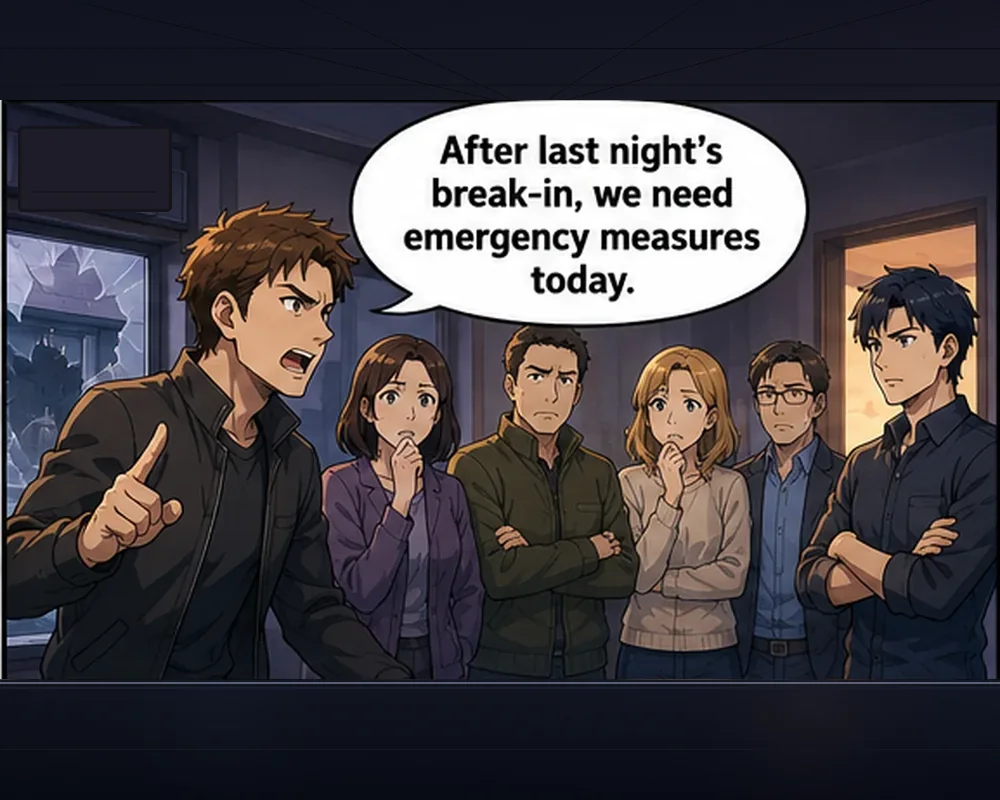
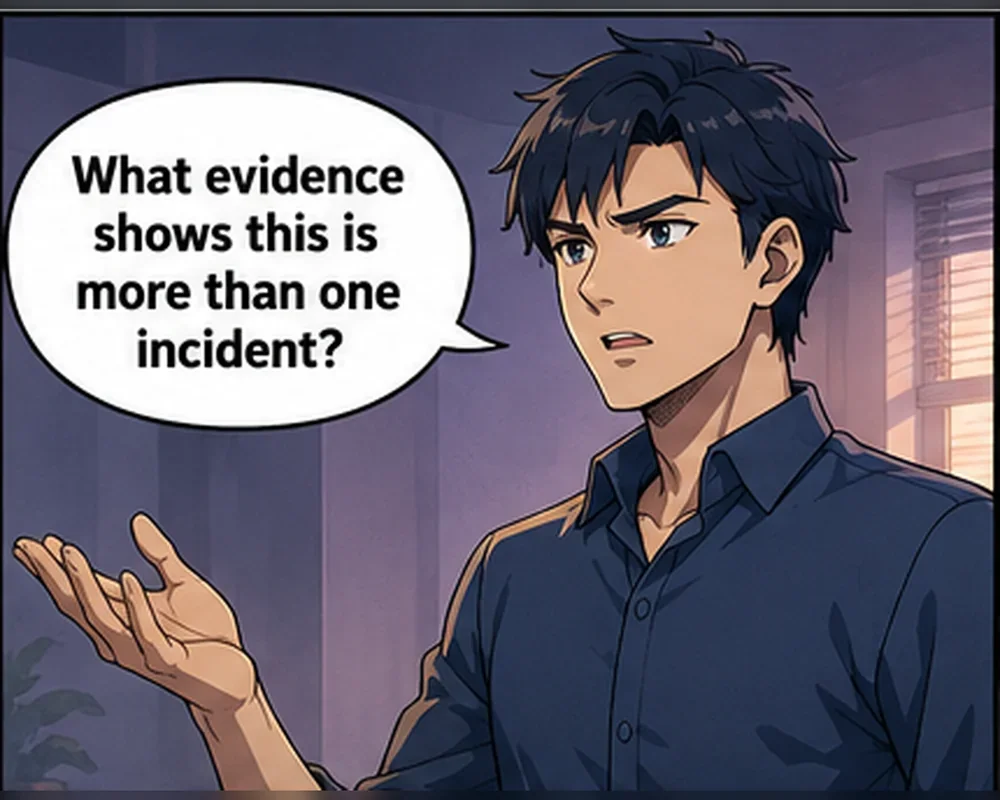
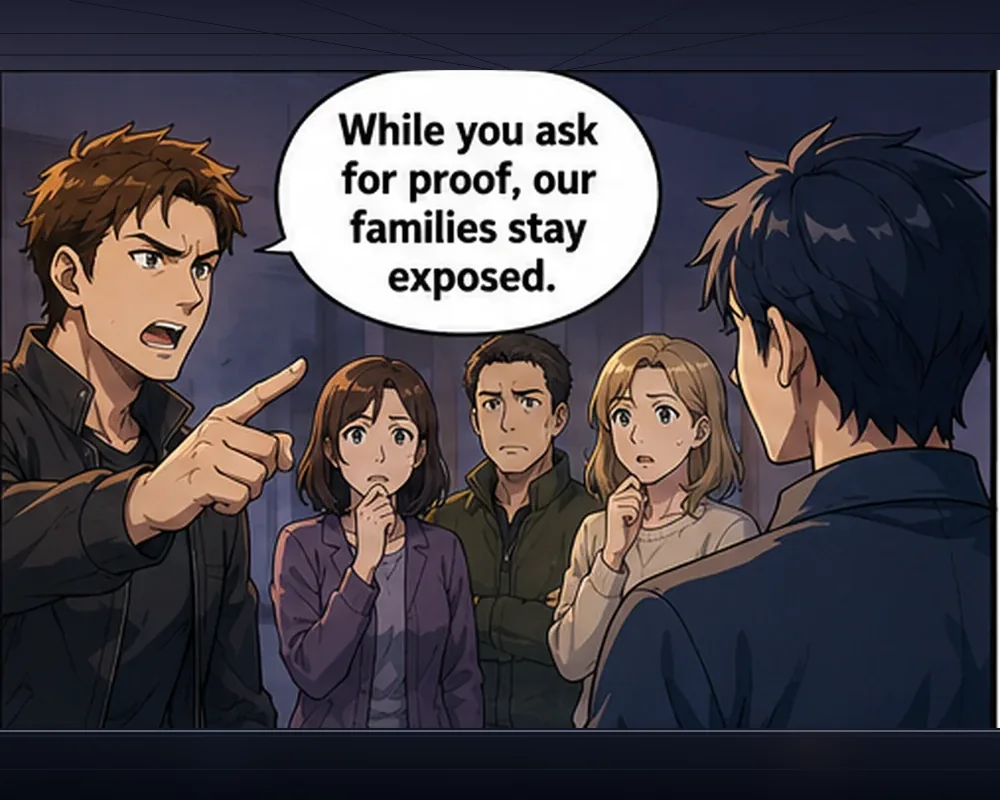
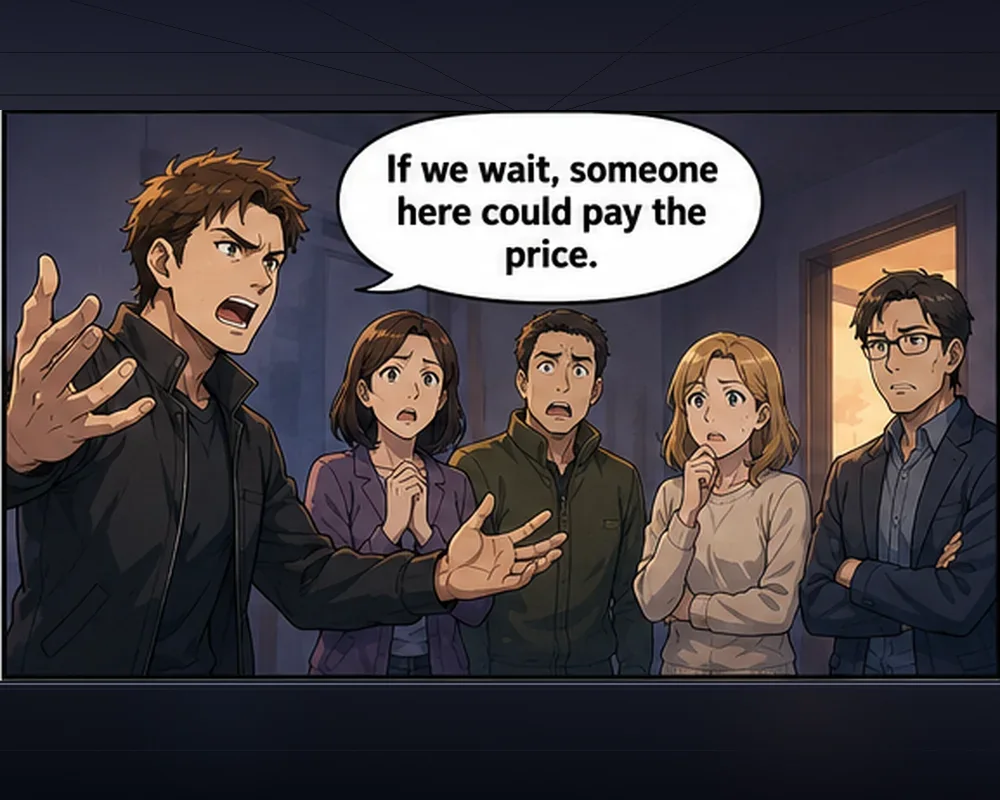

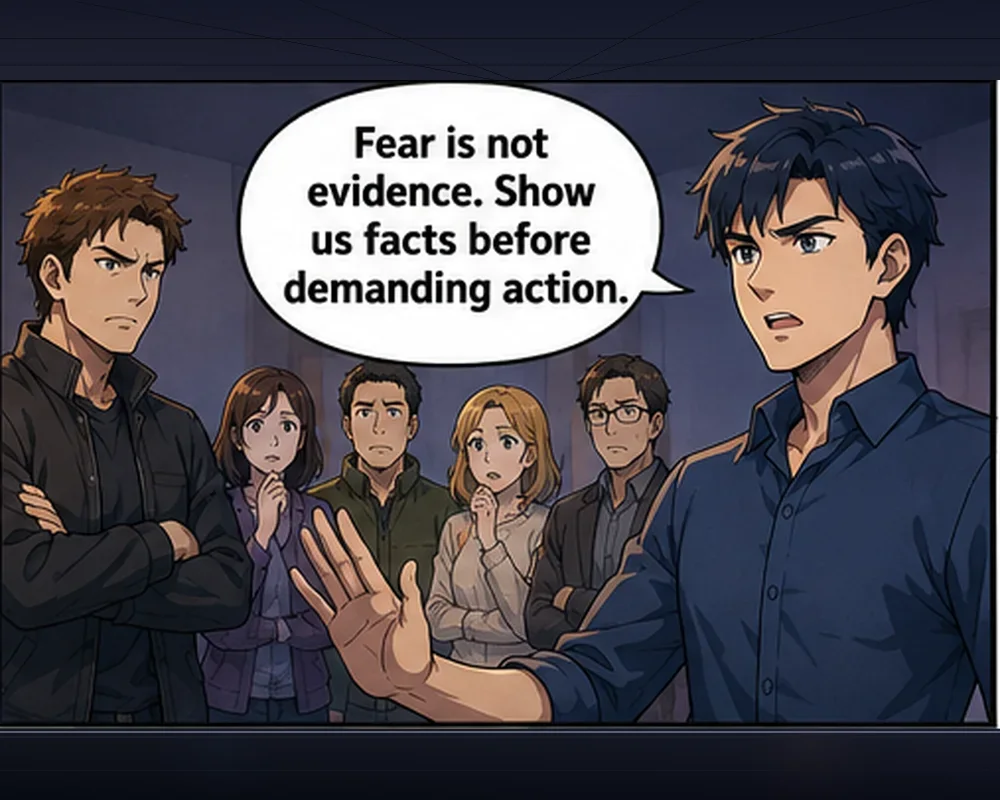


 Animated Lesson
See Fear Appeal in Action
A 60-second lesson shows how fear appeal changes the decision—and how to restore room for reflection, evidence, and consent.
 Transcript
00:00–00:15 After a routine blocked login attempt, a vendor tells an operations team that attackers are already inside and offers a costly package that must be signed that day.
00:15–00:30 Vendor: If you wait through the weekend, you may return to an empty database and a public scandal. Analyst: What evidence shows an active compromise rather than a blocked attempt?
00:30–00:45 A fear appeal magnifies a threatening outcome so emotional urgency substitutes for balanced evidence, probability, and consideration of alternatives.
00:45–01:00 A grounded response separates severity from likelihood, checks the evidence and timeframe, and compares options before acting.
 60 sec lesson
Real-Life Deep Dive
Fear Appeal in Real Life
Explore how fear appeal can appear across different settings, what makes the pressure effective, and how a clearer response reopens genuine choice.

A Security Vendor Predicts Catastrophe by Friday
A sales pitch presents one attempted breach as proof that a company faces imminent collapse without an immediate contract.

 What Happened
Setup: After a routine blocked login attempt, a vendor tells an operations team that attackers are already inside and offers a costly package that must be signed that day.
- Vendor: If you wait through the weekend, you may return to an empty database and a public scandal.
- Analyst: What evidence shows an active compromise rather than a blocked attempt?
- Vendor: Asking for certainty is how companies end up on the news.
- Analyst: We will follow the incident protocol, verify indicators, and compare controls before purchasing.
Immediate consequence: The vendor makes the catastrophic image feel more informative than the actual signal. The team treats the event seriously without letting a sales deadline define the response.
 How Fear Compresses the Decision
 A vivid threat is introducedTotal loss is imagined
 Likelihood is blurredA blocked attempt becomes intrusion
 Questions are shamedCaution looks reckless
 One purchase feels mandatorySign before checking
 Risk analysis resumesIndicators and options are compared

Concern for Safety Becomes Control of Movement
A partner uses frightening stories to argue that independent travel is too dangerous to permit.

What Happened
Setup: Mina plans a daytime trip with friends. Her partner responds with repeated crime stories and insists that only staying home demonstrates responsibility.
- Partner: People disappear on trips like this all the time. I could never forgive you if something happened.
- Mina: We can review the route and practical precautions without treating the trip as certain disaster.
- Partner: If you go, you are choosing excitement over our future.
- Mina: Concern is welcome. Fear does not give either of us authority over the other's movement.
Immediate consequence: Safety planning becomes a vehicle for control when extreme outcomes erase proportion and autonomy. Mina invites evidence-based precautions while retaining the decision.
How Fear Compresses the Decision
- A normal plan is proposedA daytime trip
- Worst cases dominateRare harm feels inevitable
- Responsibility is moralizedGoing means you do not care
- Autonomy contractsStaying home seems safest
- Concern and control separatePrecautions support choice

A Campaign Ad Makes One Vote an Existential Threat
A political message depicts a complex policy choice as the final barrier against social collapse.

What Happened
Setup: An online campaign video uses disaster imagery and claims that failure to support one proposal will immediately destroy public safety.
- Ad: If this measure fails, no family will be safe in its own neighborhood.
- Viewer: The claim is severe. What data connects this proposal to that outcome?
- Commentator: People demanding nuance are gambling with children's lives.
- Viewer: Protecting people requires evidence about effectiveness, trade-offs, and alternatives—not only alarming imagery.
Immediate consequence: The message makes emotional intensity a loyalty test and blocks proportional analysis. The viewer keeps the underlying concern while rejecting the false urgency.
How Fear Compresses the Decision
- Catastrophe is visualizedSocial collapse feels close
- One action is made decisiveOnly this vote protects
- Questions become immoralNuance risks children
- Trade-offs vanishFear carries the conclusion
- The policy is testedEvidence and alternatives return

An Insurance Add-On Is Sold Through a Family Nightmare
A salesperson uses a vivid emergency story to prevent a customer from comparing coverage.

What Happened
Setup: While buying a device, Clara is offered an expensive protection plan. The salesperson describes a family losing irreplaceable memories and says the offer expires at checkout.
- Salesperson: Imagine explaining to your family that every photo is gone because you declined protection.
- Clara: What failures are covered, how often do they occur, and what exclusions apply?
- Salesperson: People always ask those questions before regretting that they waited.
- Clara: I will compare the contract and backup options. A frightening story does not establish value.
Immediate consequence: The imagined loss makes delay feel negligent even though the product evidence is missing. Clara separates emotional importance from the plan's actual terms.
How Fear Compresses the Decision
- A treasured loss is imaginedFamily memories disappear
- Emotion becomes probabilityThe nightmare feels likely
- Checkout adds urgencyReview time closes
- Questions predict regretComparison feels dangerous
- Terms regain priorityCoverage and alternatives are checked
WHEN INFLUENCE CROSSES THE LINE
Is It Fear Appeal or Proportionate Risk Communication?
A single uncomfortable moment does not prove manipulation. Look for the structure of the interaction: whether choice remains informed and voluntary, whether boundaries are respected, and whether the pattern persists after it is named.

Likely Fear Appeal Pressure
- A vivid worst case is presented as though it were the most likely outcome.
- Urgency prevents verification or comparison.
- Questions are framed as reckless indifference to safety.
- Only the speaker's preferred action is described as protective.

Proportionate Risk Communication
- Severity, probability, and uncertainty are distinguished.
- Sources and realistic alternatives are available for review.
- The response is proportionate to the evidence and timeframe.
- People can ask questions without being accused of ignoring danger.
Build AwarenessProtect Your Mind