

Isolation
Isolation weakens your access to friends, family, information, or outside perspectives. By reducing support and increasing dependence, it becomes easier for someone to control what you believe and how you act.
Separating you from support so their influence becomes harder to challenge.
Learn how Isolation works, see it in everyday situations, notice common warning signs, and compare calm, practical ways to respond.
How It Shows Up in Everyday Life
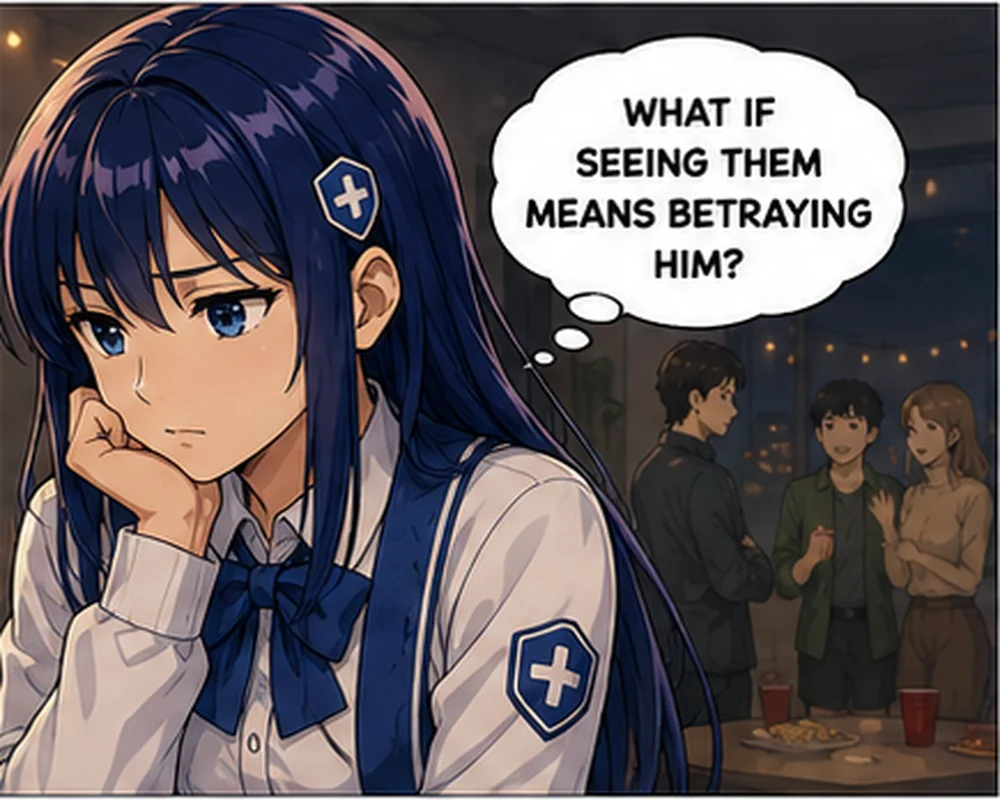
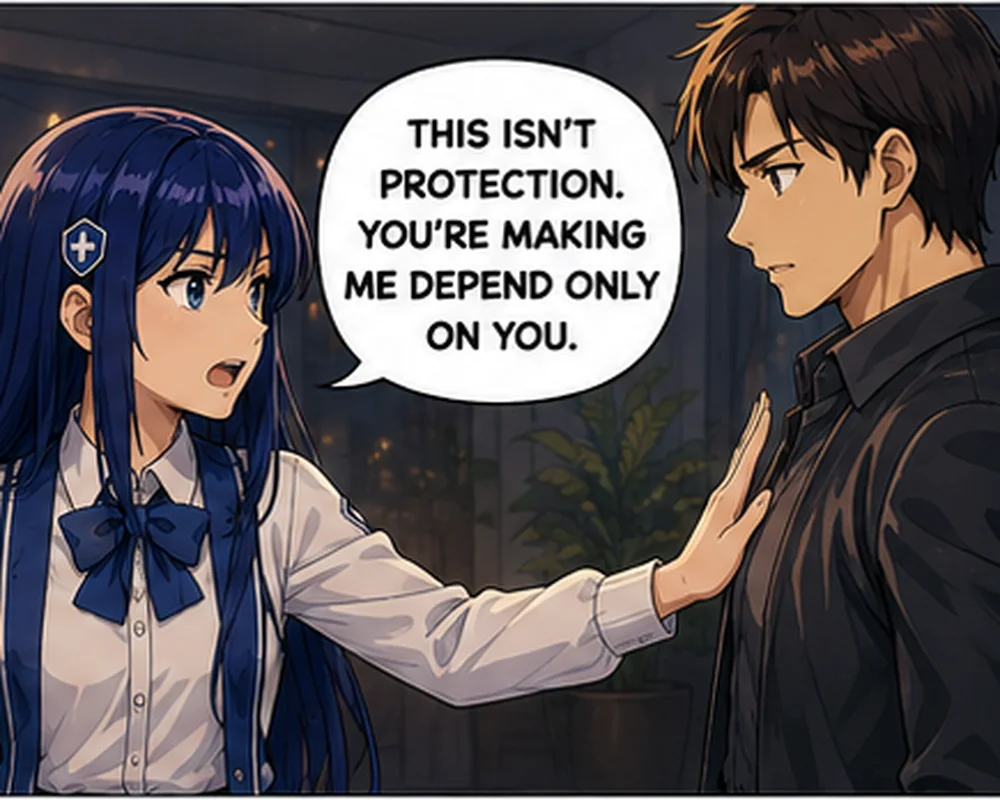
Isolation often develops gradually through criticism of friends, conflict around family contact, control of schedules, or demands for constant availability. Each restriction may be presented as protection or loyalty, but the combined effect reduces outside perspective and support. Dependence grows as maintaining other relationships becomes increasingly exhausting.
Everyday Example: Your partner repeatedly calls your friends disrespectful, starts arguments before every social plan, and insists that couples should spend all their free time together. Eventually, declining invitations feels easier than facing another conflict.
How It Looks in Action
See outside support shrink as dependence on one person grows.
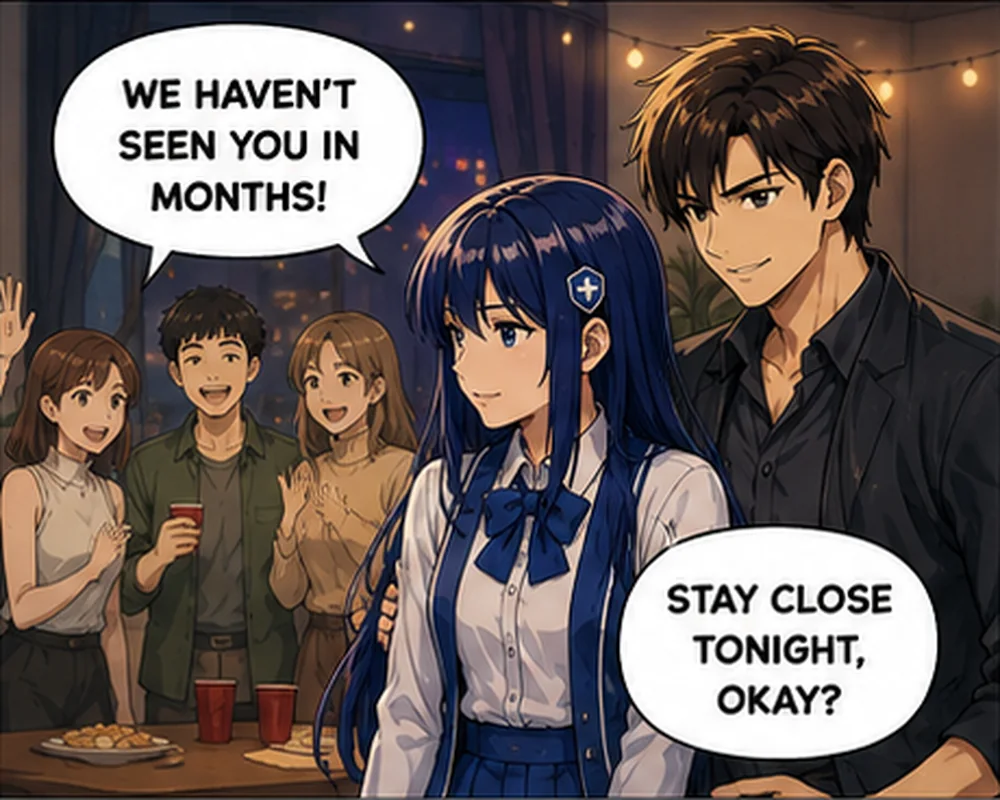
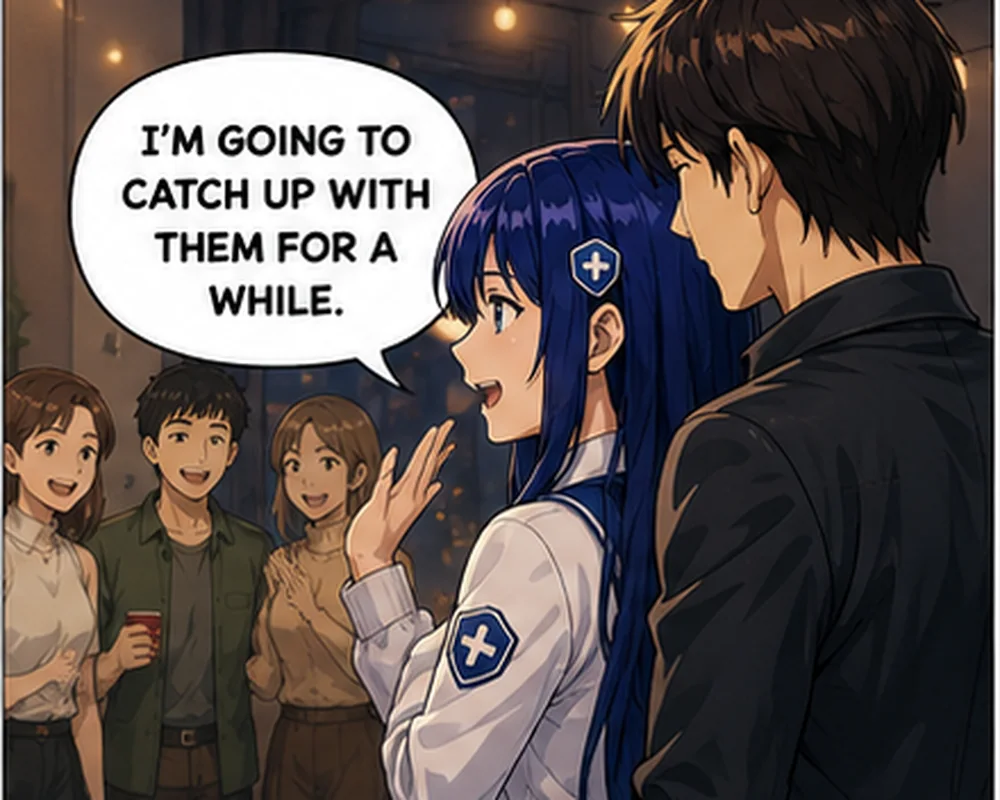
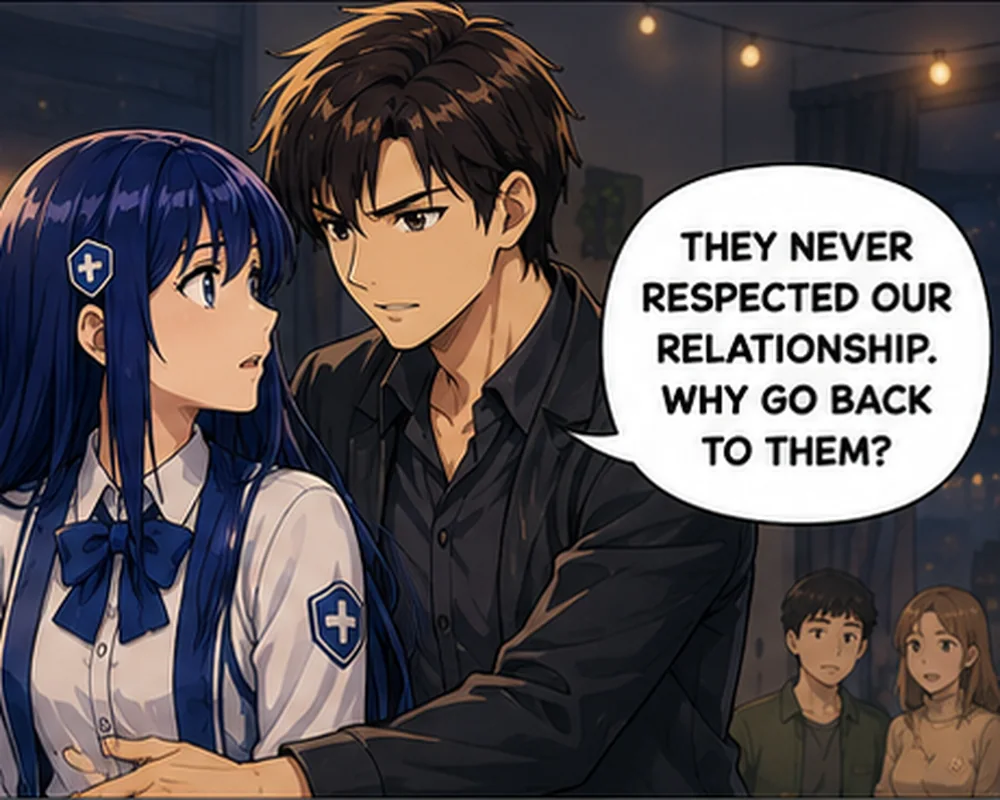
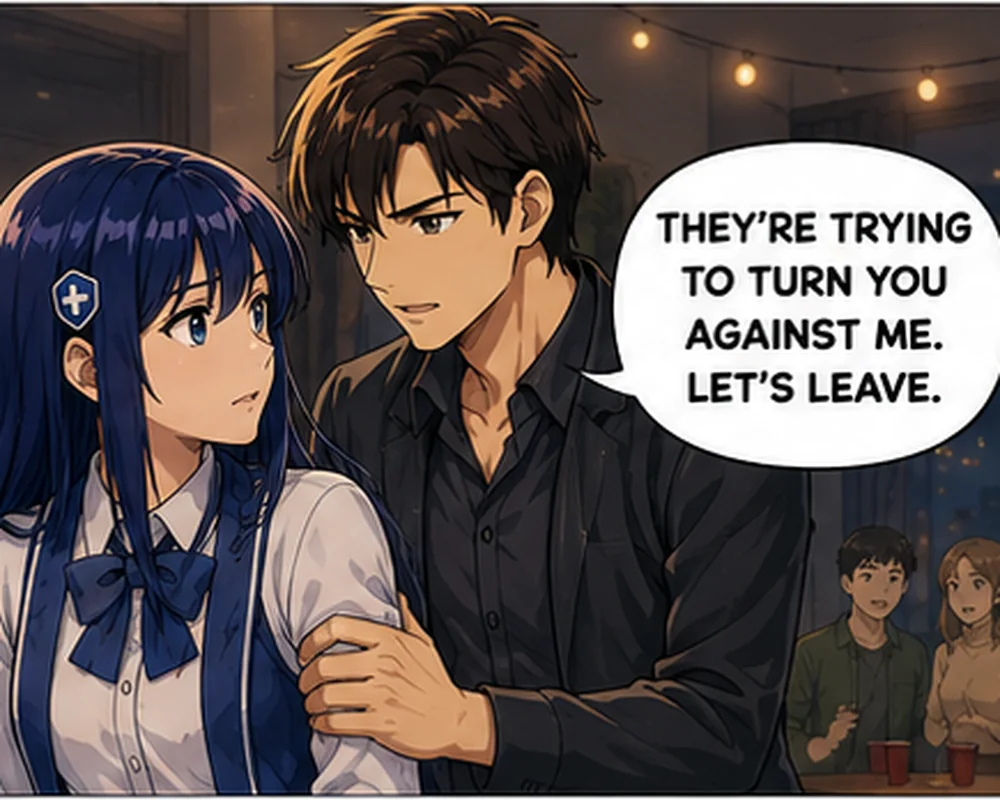


 Animated Lesson
See Isolation in Action
A 60-second lesson shows how isolation changes the decision—and how to restore room for reflection, evidence, and consent.
 Transcript
00:00–00:15 After taking over a project, a team lead says all communication with engineering and legal must pass through him, even for routine factual questions.
00:15–00:30 Lead: Other teams will only confuse you. Send every question through me. Analyst: Direct specialist contact is part of our review process and leaves an auditable record.
00:30–00:45 Isolation reduces access to people, information, or resources that support independent judgment, making one source of approval or reality increasingly dominant.
00:45–01:00 A grounded response protects outside relationships, verifies information independently, and treats attempts to control contact or support as a serious boundary issue.
 60 sec lesson
Real-Life Deep Dive
Isolation in Real Life
Explore how isolation can appear across different settings, what makes the pressure effective, and how a clearer response reopens genuine choice.

A New Lead Blocks Cross-Team Contact
A manager centralizes every conversation and prevents specialists from checking decisions with one another.

 What Happened
Setup: After taking over a project, a team lead says all communication with engineering and legal must pass through him, even for routine factual questions.
- Lead: Other teams will only confuse you. Send every question through me.
- Analyst: Direct specialist contact is part of our review process and leaves an auditable record.
- Lead: Going around me would show that you do not trust my leadership.
- Analyst: Coordination is reasonable; exclusive control of information is not. I will keep the relevant channels open.
Immediate consequence: The lead turns normal verification into a loyalty issue and makes himself the single point of truth. Preserving documented cross-team contact protects quality and independent judgment.
 How Outside Perspective Gets Reduced
 Normal contact existsSpecialists share evidence
 Access is centralizedEverything passes through one person
 Outside input is discreditedOthers only confuse
 Independence becomes disloyaltyContact means mistrust
 Support channels remain openCoordination stays transparent

Friends Are Recast as Enemies of the Relationship
A partner treats every outside concern as proof that friends are jealous and must be avoided.

What Happened
Setup: After Jules's friends notice repeated canceled plans, his partner insists they are trying to break the couple apart and asks him to stop seeing them.
- Partner: They have never supported us. If you cared about this relationship, you would cut them off.
- Jules: They asked whether I was okay; they did not make my decision for me.
- Partner: Every time you see them, you come back questioning us.
- Jules: I will keep my friendships. We can discuss any specific behavior without controlling contact.
Immediate consequence: The demand frames outside perspective itself as contamination. Jules distinguishes a concrete concern from a blanket ban and protects access to people who know him independently.
How Outside Perspective Gets Reduced
- Outside concern is expressedFriends notice a pattern
- The network is discreditedThey are jealous
- Contact tests loyaltyChoose us or them
- Perspective narrowsOnly one account remains
- The blanket ban is refusedSpecific conduct can be discussed
A Group Forbids Outside Sources
Community members are told that independent reporting is hostile and that only internal channels can be trusted.

What Happened
Setup: An online movement responds to factual criticism by instructing members not to read external coverage or speak with former participants.
- Moderator: Outside articles are attacks designed to weaken committed members.
- Member: Then we should be able to compare their evidence with our own claims.
- Moderator: Seeking those sources shows that you are not ready for this community.
- Member: Reliable ideas can survive independent checking. I will decide which sources I examine.
Immediate consequence: The group ties belonging to information control, making curiosity itself suspect. Independent source comparison interrupts dependence on one interpretive authority.
How Outside Perspective Gets Reduced
- Criticism appearsClaims can be examined
- External sources are condemnedAll outsiders are hostile
- Curiosity threatens belongingQuestions show disloyalty
- Information becomes enclosedOnly internal accounts remain
- Verification is reclaimedSources are compared independently

A Coach Demands Exclusive Trust
A personal adviser discourages medical and financial consultation so that all major decisions flow through one relationship.

What Happened
Setup: A wellness coach gives advice involving medication and expensive supplements. When Rina wants to consult her doctor, the coach says conventional professionals will sabotage her progress.
- Coach: If you bring this to your doctor, fear will talk you out of the breakthrough.
- Rina: Medical decisions require qualified, independent advice.
- Coach: You hired me because ordinary experts failed you. Trust the process fully or stop wasting both our time.
- Rina: Support that depends on avoiding appropriate expertise is not support I will continue.
Immediate consequence: The coach combines exclusivity with a withdrawal threat, positioning outside expertise as failure. Rina restores multiple sources of advice and ends the artificial dependency.
How Outside Perspective Gets Reduced
- High-stakes advice is offeredHealth and money are involved
- Independent expertise is attackedDoctors will sabotage progress
- Exclusive trust is demandedCommit fully
- Access narrowsOne adviser controls the frame
- Appropriate support returnsQualified advice is consulted
WHEN INFLUENCE CROSSES THE LINE
Is It Isolation or Privacy With Continued Support?
A single uncomfortable moment does not prove manipulation. Look for the structure of the interaction: whether choice remains informed and voluntary, whether boundaries are respected, and whether the pattern persists after it is named.

Likely Isolation Pressure
- Trusted relationships are portrayed as threats without specific evidence.
- Access to colleagues, friends, records, or advice is progressively restricted.
- Independence is recast as betrayal or lack of commitment.
- The person applying pressure becomes the main source of information and permission.

Privacy With Continued Support
- Requests for privacy are specific, mutual, and time-limited.
- Outside friendships and professional support remain available.
- Information can be checked with independent sources.
- Commitment does not require surrendering autonomy or social contact.
Build AwarenessProtect Your Mind