

Negging
Negging mixes subtle insults with attention or praise to undermine confidence and make approval feel valuable. The uncertainty can push you to seek validation from the person who created the insecurity.
Undermining your confidence so you work harder for their approval.
Learn how Negging works, see it in everyday situations, notice common warning signs, and compare calm, practical ways to respond.
How It Shows Up in Everyday Life
Negging combines attention with a subtle insult, unfavorable comparison, or backhanded compliment. The uncertainty can make you focus on winning approval from the same person who undermined your confidence. Instead of creating closeness, the interaction establishes a small status imbalance that rewards you for proving your worth.
Everyday Example: A date tells you that you are attractive “for someone who clearly does not spend much time on their appearance.” When you look uncomfortable, they say they are only teasing and suggest you should be able to take a compliment.
How It Looks in Action
See a subtle insult make approval feel suddenly valuable.

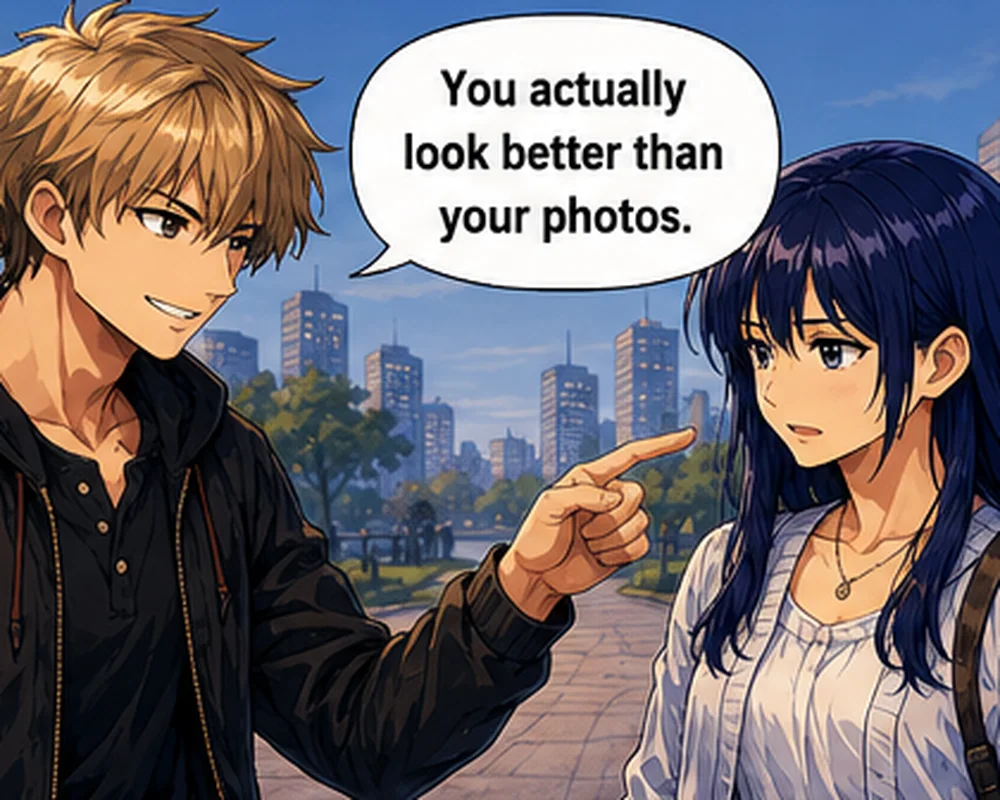
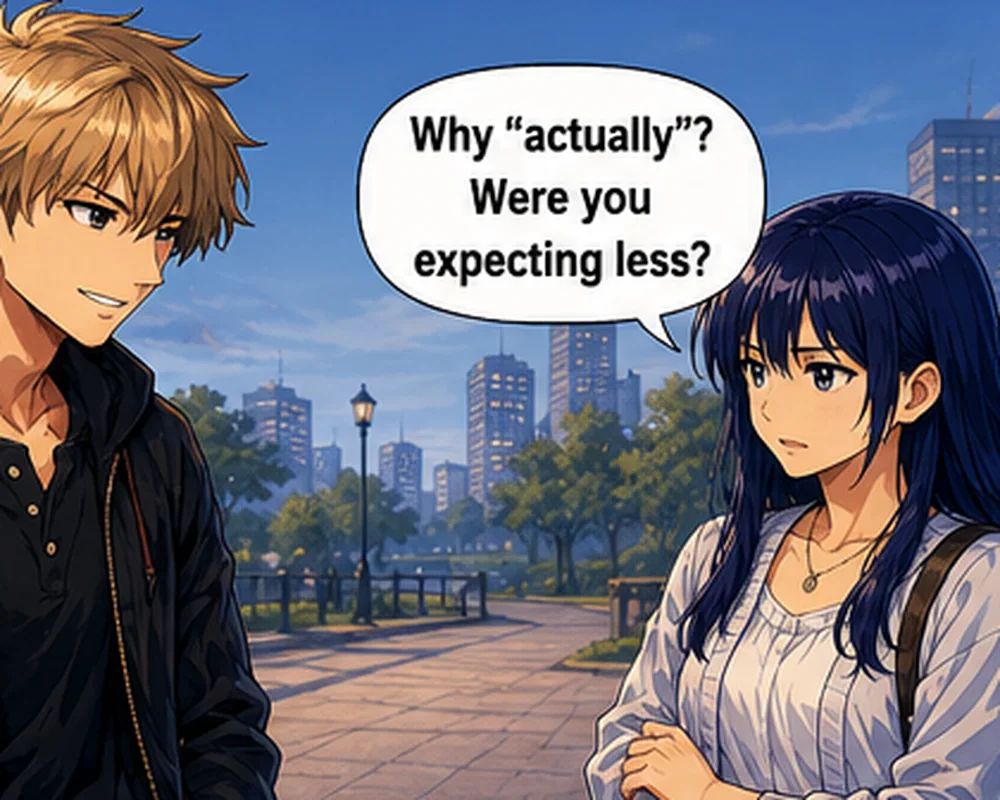
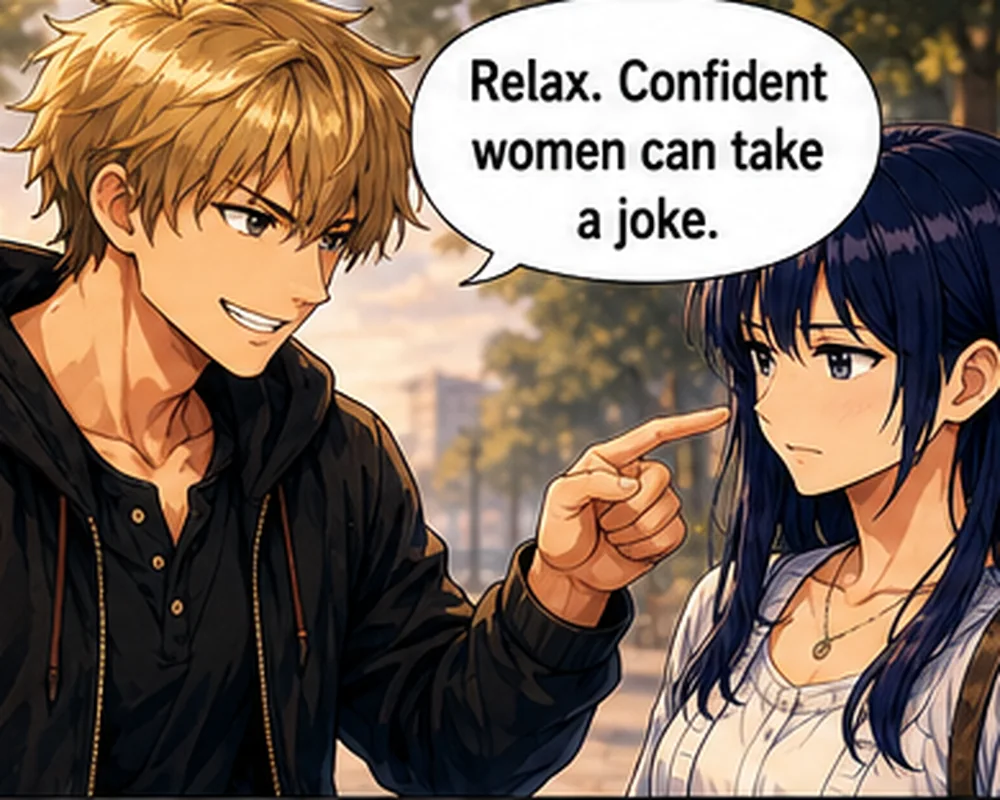
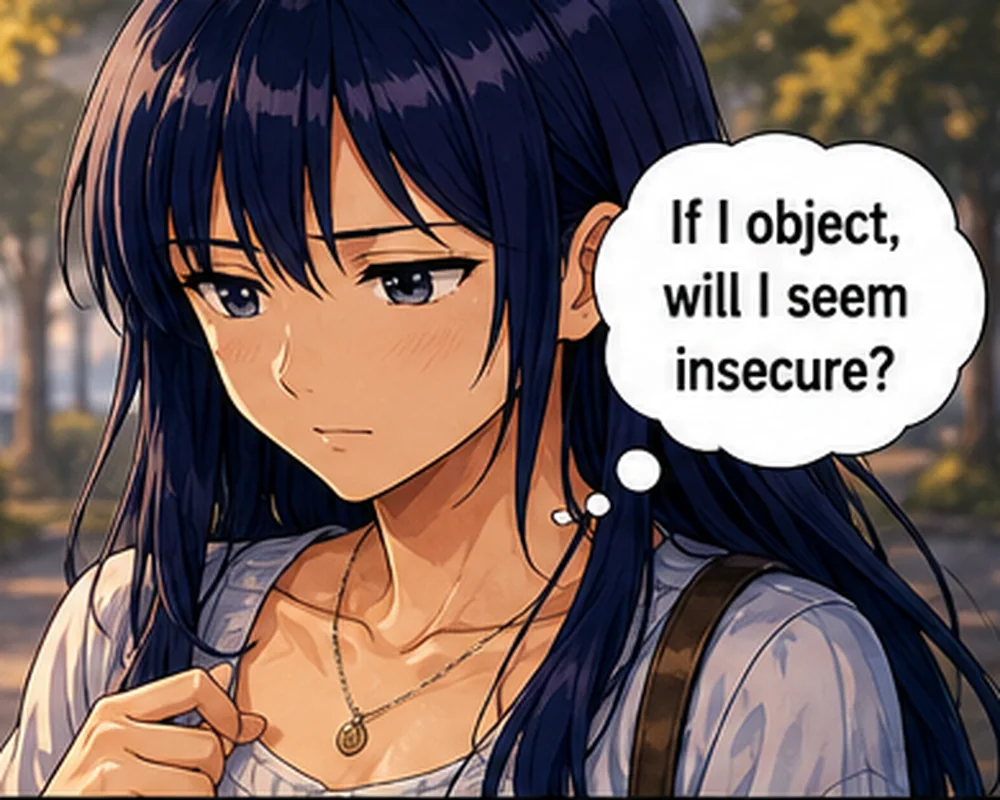


 Animated Lesson
See Negging in Action
A 60-second lesson shows how negging changes the decision—and how to restore room for reflection, evidence, and consent.
 Transcript
00:00–00:15 After Nia delivers a strong client presentation, a senior colleague congratulates her in front of the team.
00:15–00:30 Colleague: That was surprisingly polished for someone at your level. Nia: Which part exceeded your expectations, and what does my level have to do with it?
00:30–00:45 Negging mixes praise with a belittling remark or status challenge so that the target seeks reassurance, approval, or acceptance from the person who created the insecurity.
00:45–01:00 A grounded response evaluates the remark on its own terms, declines to audition for respect, and notices whether criticism becomes kinder and more specific when challenged.
 60 sec lesson
Real-Life Deep Dive
Negging in Real Life
Explore how negging can appear across different settings, what makes the pressure effective, and how a clearer response reopens genuine choice.

Praise for a Presentation Comes With a Rank
A senior colleague pairs recognition with a status insult that invites the presenter to seek further approval.

 What Happened
Setup: After Nia delivers a strong client presentation, a senior colleague congratulates her in front of the team.
- Colleague: That was surprisingly polished for someone at your level.
- Nia: Which part exceeded your expectations, and what does my level have to do with it?
- Colleague: Relax—it was a compliment. You should learn to take one.
- Nia: Specific feedback is welcome. A put-down does not become praise because it is attached to one.
Immediate consequence: The qualifier makes approval dependent on accepting a lower rank. Nia asks for usable feedback and refuses the false choice between gratitude and self-respect.
 How Insecurity Makes Approval More Valuable
 Real achievement occursThe presentation succeeds
 Approval is offeredThat was polished
 A status cut is attachedFor someone at your level
 Objection is pathologizedYou cannot take praise
 The hook is removedFeedback becomes specific

Attraction Is Paired With an Appearance Insult
A date lowers confidence, then positions continued attention as validation.

What Happened
Setup: At a social event, Lee's date comments on Lee's style while asking for another meeting.
- Date: You are attractive when you make an effort—most people would not pull off that outfit.
- Lee: That sounds less like interest and more like an insult.
- Date: I am teasing. Confidence is attractive, you know.
- Lee: My confidence is not something you get to test. Speak respectfully if you want another date.
Immediate consequence: The remark creates a small wound and then makes the speaker's attraction the reward for tolerating it. Lee judges the behavior instead of competing for reassurance.
How Insecurity Makes Approval More Valuable
- Interest is signaledAttraction is offered
- A flaw is insertedEffort is usually lacking
- Approval becomes scarceWin more attraction
- Resistance is mockedConfident people can take it
- Respect becomes the thresholdNo audition is required
A Commenter Offers Exclusive Approval
A public critic insults a creator's audience, then suggests the creator could earn special recognition by changing course.

What Happened
Setup: A commentator reviews an independent journalist's work and frames the audience as unintelligent while praising one recent article.
- Commentator: Your readers usually reward shallow work, but this piece almost sounded serious.
- Journalist: If you found an error, identify it. My audience's intelligence is not evidence.
- Commentator: I thought you would value approval from someone with standards.
- Journalist: Standards can be explained. Conditional status games do not improve the reporting.
Immediate consequence: The critic manufactures a hierarchy and offers admission through compliance. Asking for testable criticism strips the approval of its leverage.
How Insecurity Makes Approval More Valuable
- Work is evaluatedA review begins
- A group is demeanedYour audience is shallow
- Rare approval is offeredThis piece almost qualifies
- Status becomes the prizeEarn serious recognition
- Evidence is requestedClaims must be specific

A Stylist Creates a Problem Before Selling the Solution
A consultant undermines a customer's appearance and makes a purchase feel like the route back to acceptability.

What Happened
Setup: A shopper asks whether a jacket fits. The stylist gives an ambiguous insult and immediately presents a much more expensive alternative.
- Stylist: That cut emphasizes areas most people try to hide, but you are brave.
- Shopper: Does it fit incorrectly, or are you trying to make me feel exposed?
- Stylist: I am honest because I want you to look your best. This premium jacket fixes it.
- Shopper: I will decide from fit, comfort, and price—not from an insult created at the point of sale.
Immediate consequence: The sales tactic first creates insecurity, then monetizes relief. Objective criteria and distance from the interaction restore the shopper's choice.
How Insecurity Makes Approval More Valuable
- A neutral question is askedDoes the jacket fit?
- An insecurity is introducedYour body needs hiding
- Candor masks the cutI am only honest
- Approval receives a priceThe premium option fixes you
- Decision criteria returnFit, comfort, and cost matter
WHEN INFLUENCE CROSSES THE LINE
Is It Negging or Specific, Respectful Feedback?
A single uncomfortable moment does not prove manipulation. Look for the structure of the interaction: whether choice remains informed and voluntary, whether boundaries are respected, and whether the pattern persists after it is named.

Likely Negging Pressure
- A compliment contains an unnecessary insult or rank comparison.
- The remark creates insecurity and then offers approval as the solution.
- Objection is dismissed as oversensitivity or lack of humor.
- Respect feels conditional on proving worth to the speaker.

Specific, Respectful Feedback
- Feedback addresses a relevant behavior rather than personal value.
- Praise does not require humiliation to feel meaningful.
- The speaker can clarify or apologize without punishing disagreement.
- No one must chase approval to restore basic respect.
Build AwarenessProtect Your Mind