

Hasty Generalization
A hasty generalization draws a broad conclusion from too little or unrepresentative evidence. A few vivid examples are treated as though they describe an entire group or pattern. Reliable conclusions require an adequate sample and attention to relevant differences.
Drawing a broad conclusion from too few or unrepresentative examples.
Learn how Hasty Generalization weakens an argument, work through realistic examples, and practice a clearer response focused on the evidence.
How It Shows Up in Everyday Life
A hasty generalization treats a small, biased, or exceptional set of observations as representative of a much larger group. Vivid personal experiences can feel decisive even when the sample is too limited to support the conclusion. The claim reaches further than the available evidence.
Everyday Example: Two employees at a large company are unhelpful during one visit, so a customer concludes that everyone who works for the company is rude. The sample is too small and narrow for that judgment.
How It Looks in Action
Watch one bad sample become a sweeping—and costly—conclusion.







 ANIMATED LESSON
See Hasty Generalization in Action
A 60-second lesson shows how one vivid example can feel conclusive—until the missing sample size and context come back into view.
 Transcript
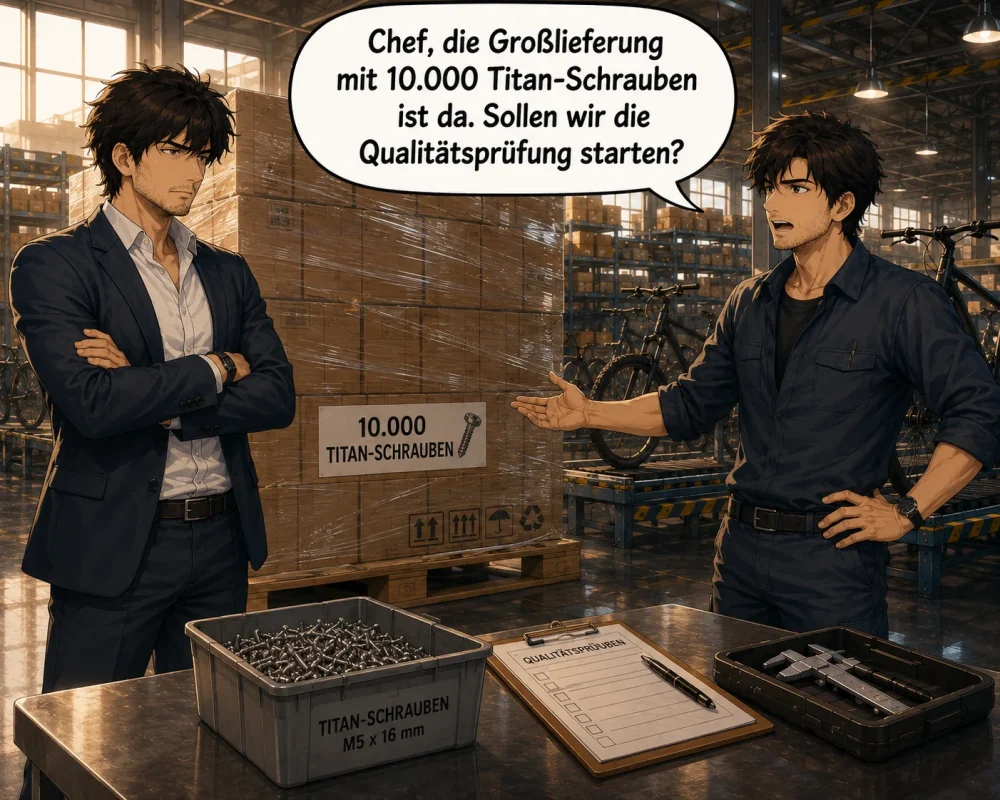
00:00–00:08 A factory receives a shipment of 10,000 titanium screws for a production deadline.
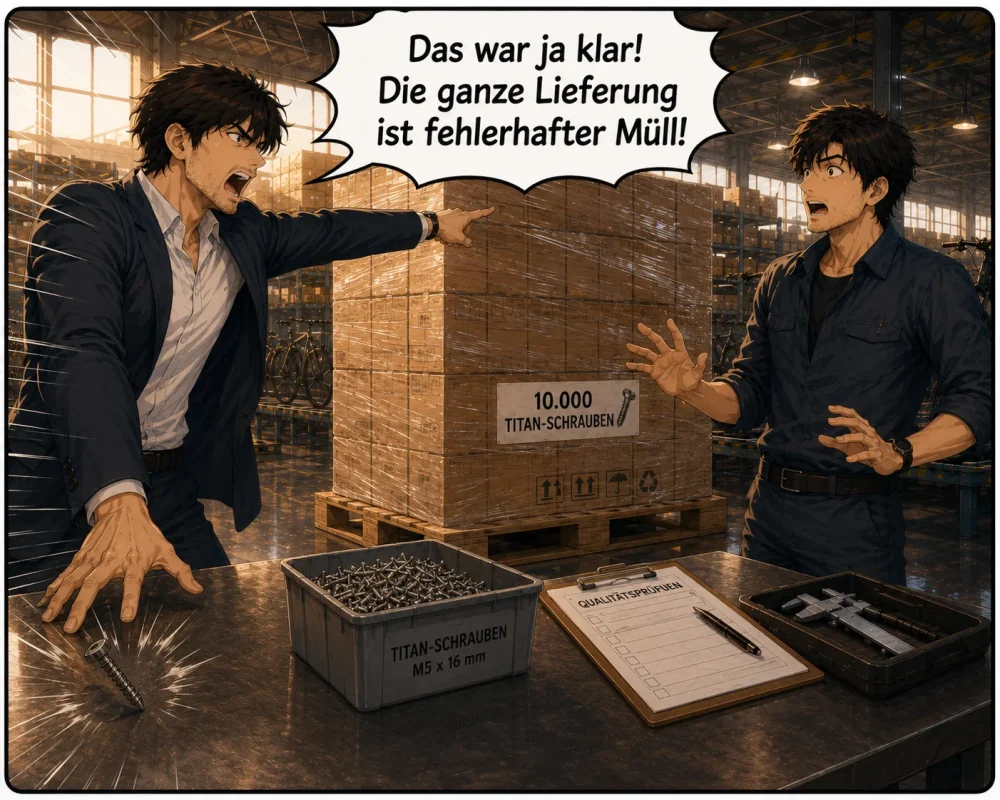
00:08–00:16 The manager spots one bent screw and immediately declares the entire supplier unreliable.
00:16–00:25 Narrator: “This is hasty generalization: drawing a broad conclusion from too little evidence.”
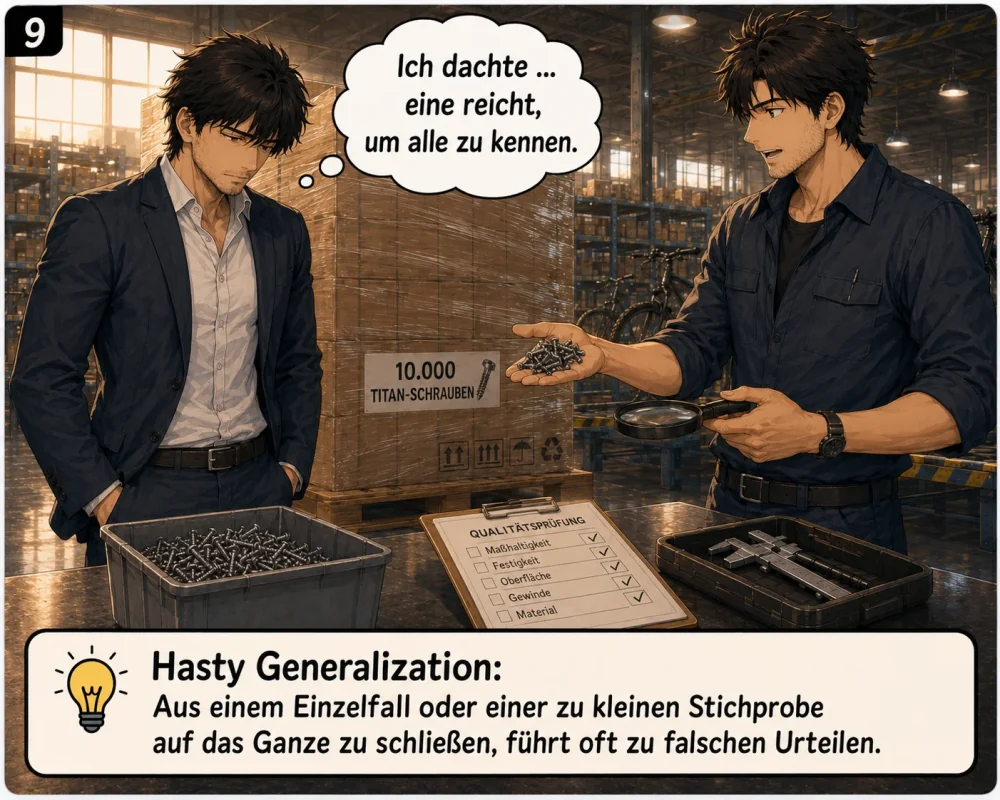
00:25–00:34 The quality technician points to the proper checklist: sample the batch, inspect measurements, and test more than a single part.
00:34–00:43 Production is paused, replacement costs rise, and the team realizes the claim was made before the data was gathered.
00:43–00:52 Narrator: “A small sample may raise a question, but it does not yet justify a sweeping verdict.”
00:52–01:00 Narrator: “Reliable conclusions need enough evidence, representative sampling, and attention to what the broader pattern actually shows.”
 60 sec lesson
REAL-LIFE DEEP DIVE
Hasty Generalization in Real Life
See how a tiny sample becomes a big claim—and how better reasoning asks what the broader evidence actually supports.

One Defect Becomes a Verdict on 10,000 Parts
A factory manager sees one bent screw and leaps from a single failure to a claim about the entire shipment.

 What Happened
Setup: A bike-components factory receives a large delivery of titanium screws. During a rushed inspection, the manager notices one bent screw near the top of the tray.
- Manager: Look at this. One bad screw proves the entire shipment is junk.
- Quality technician: One defect tells us we need to inspect further, not condemn all 10,000 pieces.
- Manager: If one is bad, the supplier cannot be trusted. Stop the line.
- Quality technician: We have a sampling procedure for exactly this reason. Let’s test a representative batch first.
- Supervisor: Good call. A single example may be a warning sign, but it is not yet a conclusion.
Immediate consequence: Production nearly halts because one vivid case is treated as though it describes the whole shipment. A fuller sample would show whether the defect is isolated or widespread.
 How the Generalization Snowballs
 Small sampleOne screw seen
 Broad claimWhole batch blamed
 Procedure skippedNo proper test
 Costs riseLine almost stops
 Reason restoredSample more first

A Scratched Display Model Becomes “Proof” the Whole Brand Is Bad
One damaged shop sample and one harsh review are treated as enough to judge every bike in the store.

What Happened
Setup: A shopper spots a scratched display bike and reads a single one-star review on a laptop at the counter. He immediately decides the brand must be poor quality.
The salesperson points out that the scratched bike is a display model and shows a larger feedback summary with more than a thousand reviews and a successful service checklist. One bad example may deserve attention, but it does not automatically represent every model, every shipment, or every customer experience. The real question is whether the evidence is broad enough and representative enough to justify the claim.
Immediate consequence: A buying decision almost gets driven by the most vivid evidence instead of the most reliable evidence. Looking at the wider pattern changes the picture.
How a Tiny Sample Distorts the Purchase
- One case noticedScratched model
- Story expandsBrand judged
- Counterevidence appearsWider reviews shown
- Context addedDisplay sample explained
- Decision improvesPattern examined

Two Accidents Become a Claim About an Entire Group
At city hall, a speaker turns two alarming incidents into a sweeping judgment about all e-scooter riders.

What Happened
Setup: During a public hearing, one speaker highlights two recent e-scooter crashes and argues that riders in the city are generally reckless.
- Speaker: Two accidents in one week—that proves e-scooter users are irresponsible.
- Analyst: Those accidents matter, but we also need the overall usage data, injury rate, and context.
- Speaker: The pattern is obvious.
- Analyst: It only feels obvious because the cases are vivid. A proper conclusion needs a representative picture.
- Moderator: Let us compare the full city data before turning two cases into city-wide policy.
Immediate consequence: Emotional examples almost drive the policy discussion. The analyst reframes the issue around rates, trends, and proportion rather than anecdotes alone.
How Anecdotes Become “Evidence”
- Anecdotes chosenTwo crashes shown
- Group judgedAll riders blamed
- Rates ignoredNo base data
- Policy pressureAudience swayed
- Debate correctedFull picture used

One Student Mistake Becomes a Judgment on the Whole Cohort
In a training lab, one machining error is used to claim the entire apprentice group is careless.

What Happened
Setup: In a technical training workshop, one apprentice mis-measures a part during practice. A visiting manager reacts by doubting the whole training group.
- Manager: If one trainee makes mistakes like this, the whole cohort must be underprepared.
- Instructor: One student error is not enough to judge the full class. Look at the projects the group has already completed.
- Manager: But this shows the standard is slipping.
- Instructor: Or it shows that beginners are still learning. We need more observations before making a broad claim.
- Student: We should review the full set of assessments, not one bad moment.
Immediate consequence: The manager nearly treats one visible error as a verdict on the entire program. A broader review reveals the class performance is mixed but generally solid.
How the Sample Gets Overstretched
- One miss seenSingle trainee error
- Class judgedCohort criticized
- Evidence widenedMore work reviewed
- Pattern clarifiedResults mixed
- Claim narrowedConclusion corrected
FROM SMALL SAMPLE TO WIDE CLAIM
Is It a Hasty Generalization or a Reliable Conclusion?
Not every quick judgment is unreasonable—but if the conclusion reaches farther than the evidence, the reasoning is still weak. Stronger claims need broader, more representative support.

Likely Hasty Generalization
- A single example, a few anecdotes, or a tiny sample is treated as though it describes the whole group.
- The conclusion sounds broad: “all,” “always,” “none,” or “that proves the whole pattern.”
- Vivid or emotional cases do most of the persuasive work.
- No one checks whether the sample is representative, large enough, or missing important context.

More Reliable Reasoning
- The evidence comes from a broader or more representative sample.
- The claim stays proportionate to what the evidence can actually support.
- Counterexamples, base rates, and alternative explanations are considered.
- The conclusion remains open to revision as more data comes in.
Spot Weak ArgumentsReason Clearly