

Whataboutism
Whataboutism deflects criticism by pointing to another person's wrongdoing or inconsistency. The counteraccusation may deserve discussion, but it does not answer the original concern. Each claim should be evaluated on its own evidence instead of used to cancel another.
Answering criticism with a counteraccusation instead of addressing it.
Learn how Whataboutism weakens an argument, work through realistic examples, and practice a clearer response focused on the evidence.
How It Shows Up in Everyday Life
Whataboutism answers criticism by pointing to another person's wrongdoing, hypocrisy, or inconsistency. The comparison may identify a genuine second problem, but it does not determine whether the first criticism is accurate. Each case still requires its own evidence and accountability.
Everyday Example: When asked why they left rubbish in a park, someone replies, “What about the factories that pollute entire rivers?” Industrial pollution is serious, but it does not answer the question about their behavior.
How It Looks in Action
See criticism deflected by pointing at someone else's wrongdoing.



 ANIMATED LESSON
See Whataboutism in Action
A 60-second lesson shows how criticism can be deflected toward somebody else’s fault—and how to bring the conversation back to the unanswered issue.
 Transcript
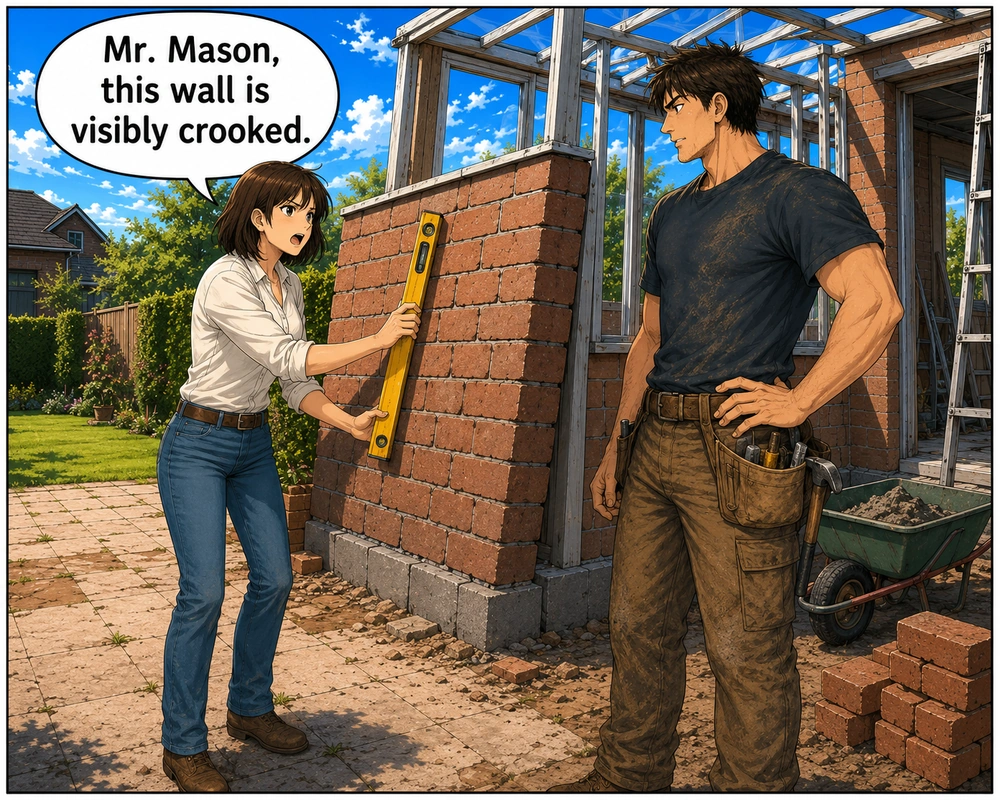
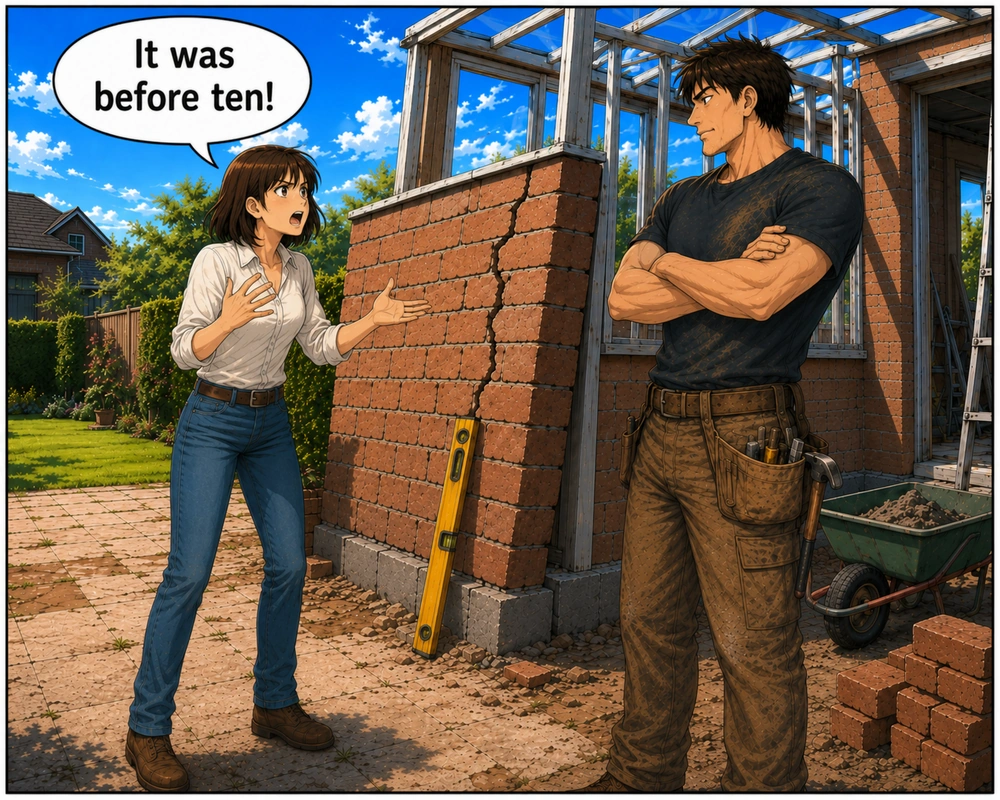
00:00–00:08 A homeowner notices that a newly built brick wall looks visibly crooked during a renovation inspection.
00:08–00:16 She asks the contractor how he plans to fix it and places a level against the wall to show the problem clearly.
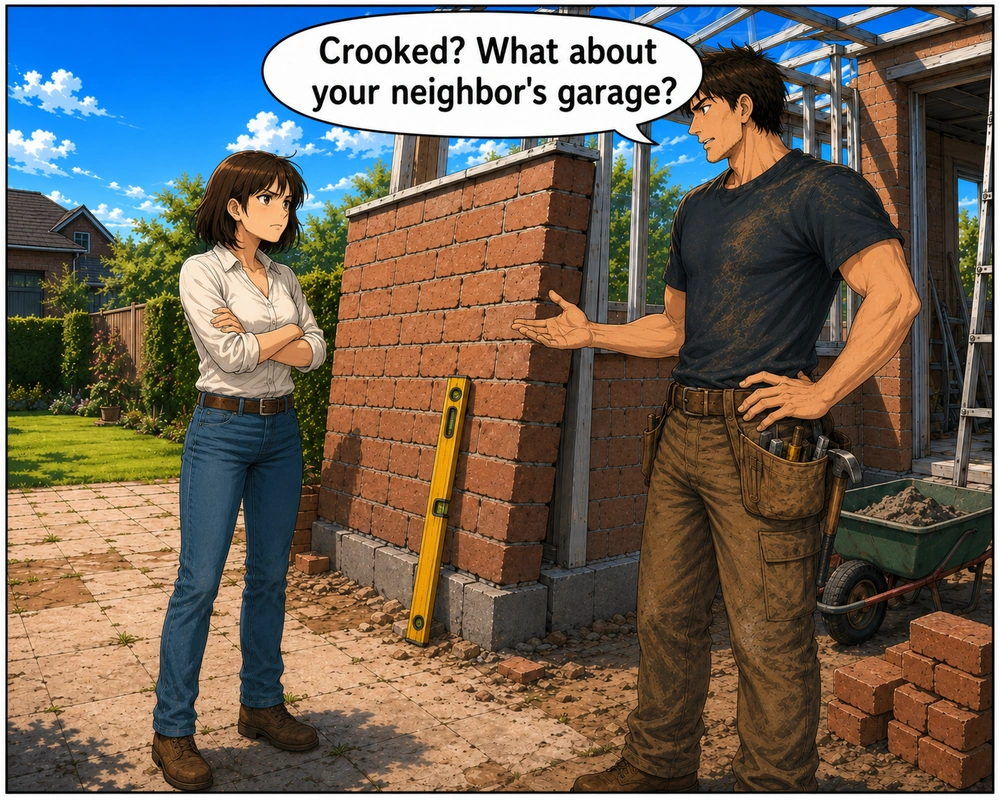
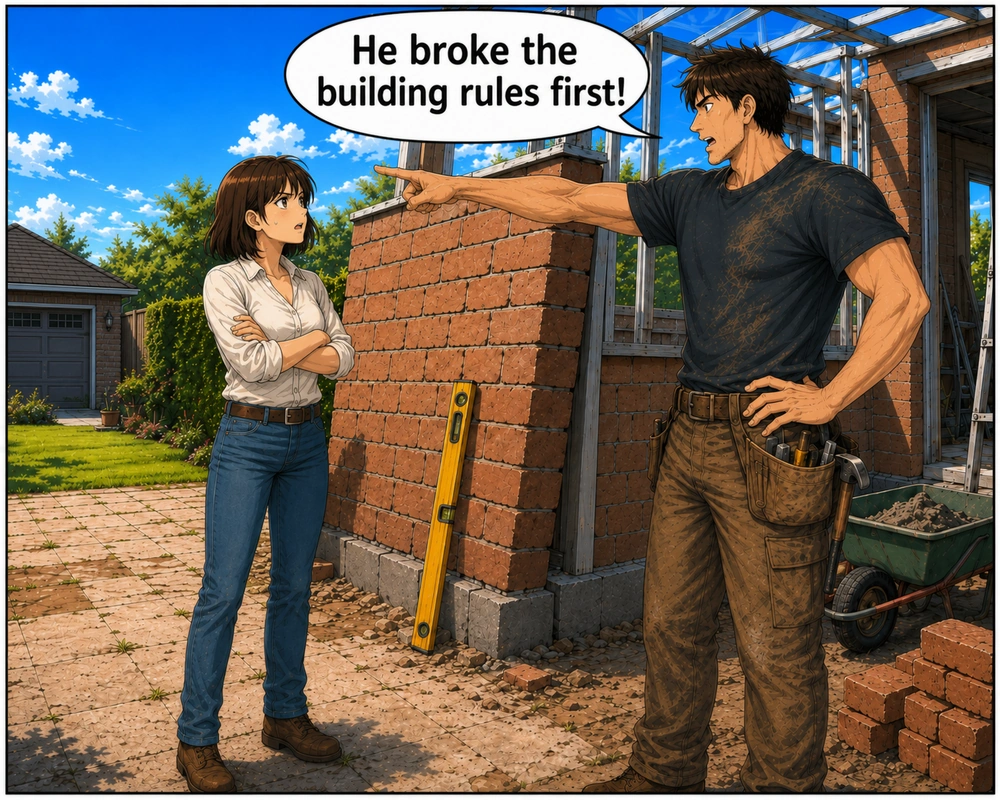
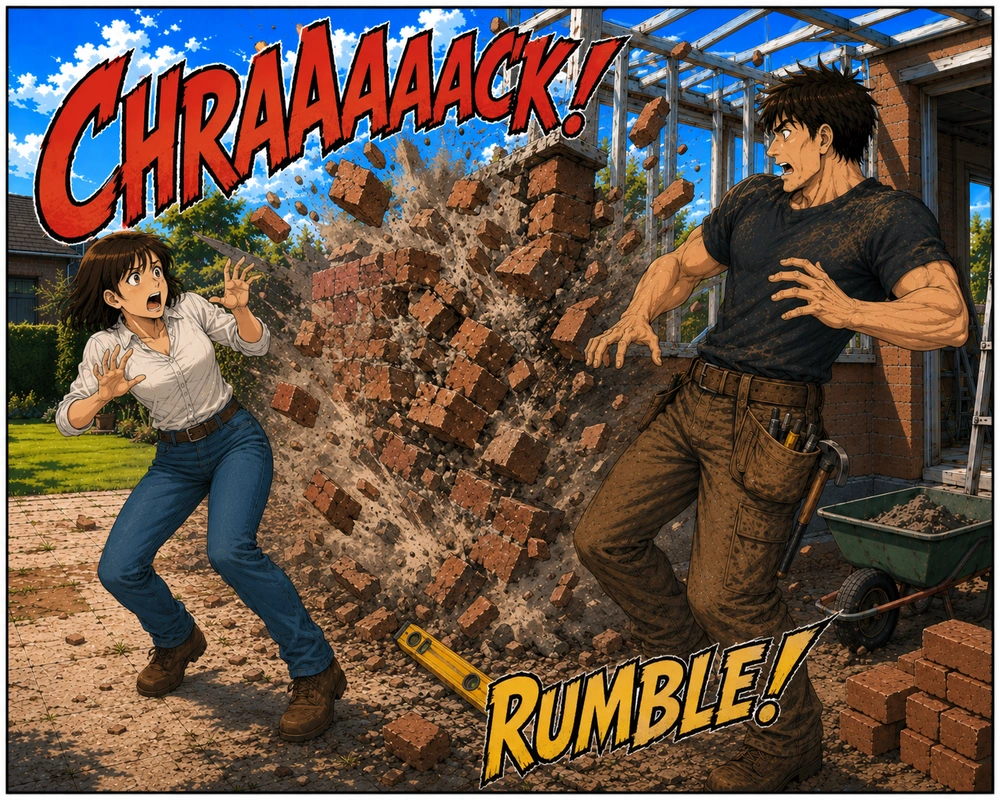
00:16–00:25 Instead of answering, he points down the street and says the neighbor’s garage is built even worse.
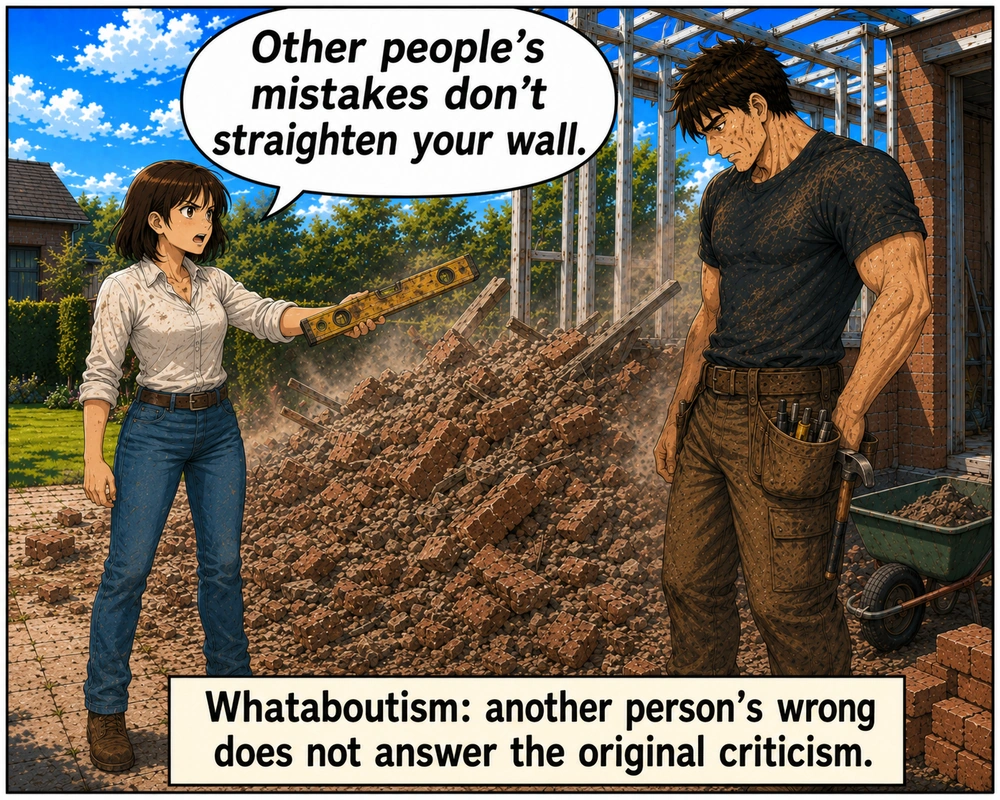
00:25–00:34 Narrator: ‘That comparison may raise another issue, but it does not answer the original criticism.’
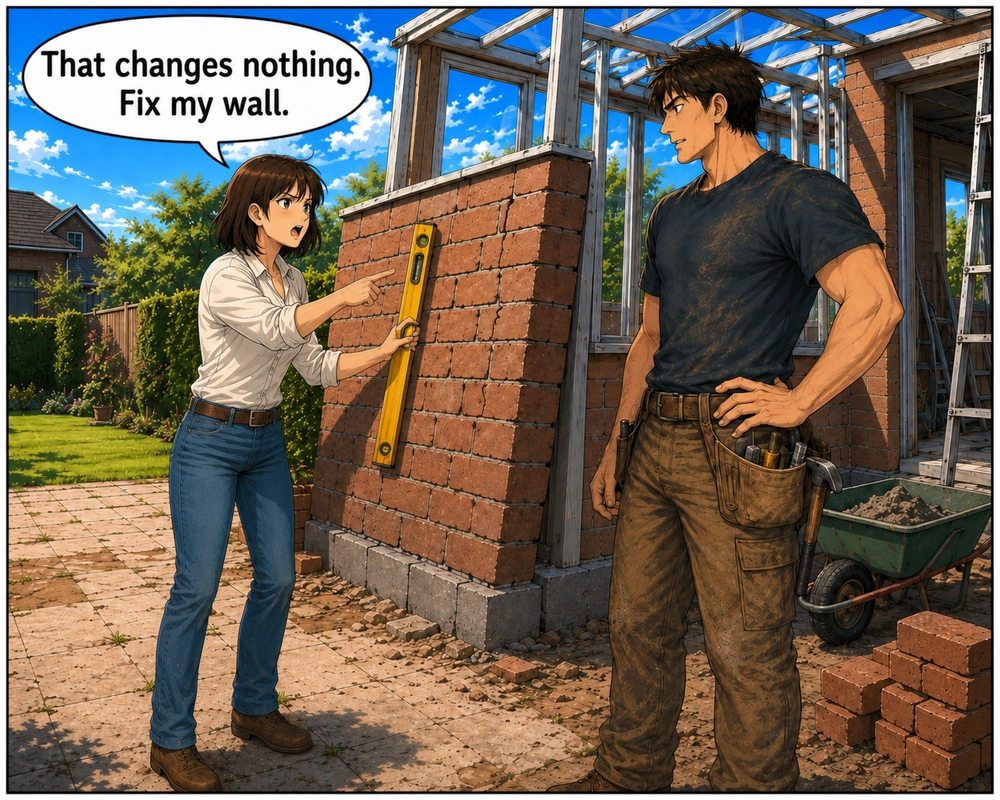
00:34–00:43 The homeowner repeats the question: Does this wall meet the agreed standard, and what is the repair plan?
00:43–00:52 Narrator: ‘Whataboutism works by redirecting attention to someone else’s wrongdoing or inconsistency.’
00:52–01:00 Narrator: ‘Evaluate each claim on its own evidence. Another problem does not erase this one.’
 60 sec lesson
REAL-LIFE DEEP DIVE
Whataboutism in Real Life
See how people dodge criticism by shifting attention to somebody else’s flaw—and how to restore the original question.

A Quality Complaint Is Deflected Toward Another Job Site
On a renovation job site, a builder responds to a crooked wall by pointing to a neighbor’s worse construction instead of addressing his own work.

 What Happened
Setup: During a home-extension inspection, Elena places a spirit level on a new brick wall and sees that it is off plumb. She asks Mason, the contractor, how he plans to correct it.
- Elena: This wall is visibly out of line. How are you going to fix it?
- Mason: Before we talk about that, have you seen your neighbor’s garage? That brickwork is far worse.
- Elena: Their garage is not the issue. This wall is the one you built for me.
- Mason: Everyone makes mistakes. Why are you only criticizing mine?
- Elena: Because we are evaluating your work right now, not someone else’s.
Immediate consequence: Pointing at another person’s poor workmanship may create a comparison, but it does not answer whether this wall meets the agreed standard or how it will be repaired.
 How the Criticism Gets Deflected
 Defect spottedWall appears crooked
 Elsewhere invokedNeighbor’s work raised
 Attention shiftsComparison takes over
 Standard ignoredRepair not explained
 Question restoredReturn to this wall

A Broken Promise Turns Into a Complaint About Chores
At dinner, a parent avoids explaining a missed promise by shifting attention to the teenager’s unfinished responsibilities.

What Happened
Setup: At dinner, Leo says his father promised to attend the school performance but never came. His mother watches the discussion grow tense.
- Leo: You said you would come to my performance, and you did not show up.
- Father: What about the times you leave your chores half finished?
- Leo: That is separate. I am asking why you broke your promise.
- Mother: Leo’s chores can be discussed later, but they do not answer his question.
- Father: You’re right. I changed the subject instead of addressing it.
Immediate consequence: The counteraccusation creates pressure and defensiveness, but it still leaves the original concern unresolved until the family returns to the missed promise itself.
How the Family Discussion Gets Redirected
- Promise questionedMissed event raised
- Countercharge madeChores mentioned
- Guilt introducedFocus becomes personal
- Answer delayedPromise still unexplained
- Issue separatedReturn to the promise

A Housing Delay Question Becomes an Attack on the Rival
During a live interview, a candidate responds to criticism about project delays by bringing up an opponent’s ethics scandal.

What Happened
Setup: In a late-night television interview, the host asks Councilman Reed why the city’s affordable-housing project is six months behind schedule.
- Host: What specifically caused the delay, and how will residents be compensated?
- Councilman Reed: Before we discuss that, remember my opponent approved no-bid contracts for her donors.
- Host: That accusation may matter, but it does not explain this project’s delay.
- Councilman Reed: It shows who really mismanages public money.
- Host: We can examine that separately. Right now, what caused the delay in your project?
Immediate consequence: The rival’s conduct may deserve scrutiny, but it cannot substitute for an explanation of the current policy failure. The host has to separate the issues and restore the original question.
How the Interview Leaves the Real Question
- Delay askedResidents need an answer
- Rival invokedScandal introduced
- Emotion risesAudience attention pulled
- Cause unclearNo explanation given
- Focus resetReturn to the delay

A Product Complaint Is Met With ‘Other Brands Do It Too’
A customer asks about a defective pair of shoes online, but the response shifts into comparisons with other brands instead of addressing the warranty issue.

What Happened
Setup: In a café, Nora shows a friend the comment thread from a post she made after the sole of her new sneakers started separating after only two weeks.
- Nora: I asked whether the company will replace the pair because the sole split after two weeks.
- Friend: And what did they say?
- Nora: Mostly: ‘What about the other brands that overcharge for worse shoes?’
- Friend: That may be true, but it still does not answer whether your pair is defective.
- Nora: Exactly. I need a warranty answer, not a comparison war.
Immediate consequence: Dragging competitors into the thread changes the subject. The original question—whether this product failed and what remedy is available—still needs a direct answer.
How the Consumer Question Gets Buried
- Defect reportedSole splits early
- Comparison launchedCompetitors attacked
- Thread derailsBrand war begins
- Warranty ignoredNo remedy offered
- Issue reopenedAsk about this pair
WHEN A COMPARISON DISTRACTS—AND WHEN IT ACTUALLY HELPS
Is It Whataboutism or a Relevant Comparison?
Not every comparison is a fallacy. The key question is whether the new point helps answer the original criticism—or merely tries to cancel it by pointing elsewhere.

Likely Whataboutism
- The speaker responds to criticism by pointing to somebody else’s fault or inconsistency.
- The comparison does not supply evidence about the original claim under review.
- Attention shifts from the current issue to blame, hypocrisy, or fairness between people.
- The original question still needs an answer after the comparison is made.

Potentially Relevant Comparison
- The comparison directly helps evaluate the same standard, policy, or principle in dispute.
- It adds evidence that clarifies the original question instead of replacing it.
- The speaker can still answer the criticism directly while introducing the comparison.
- Both issues remain distinct, and neither is treated as a shortcut that cancels the other.
Spot Weak ArgumentsReason Clearly