

Strawman Argument
A strawman argument misrepresents another person's position so it becomes easier to attack. The distorted version may sound similar to the original claim while removing its nuance or strongest reasoning. Recognizing the substitution keeps the discussion focused on what was actually said.
Replacing the real argument with a weaker version that is easier to attack.
Learn how Strawman Argument weakens an argument, work through realistic examples, and practice a clearer response focused on the evidence.
How It Shows Up in Everyday Life
A strawman appears when a limited or nuanced position is restated as something broader, more extreme, or easier to criticize. The response may sound relevant because it uses similar language, but it attacks a claim that was never made. Correcting the substitute is necessary before the real disagreement can continue.
Everyday Example: You suggest creating a monthly budget for entertainment. The other person replies, “So you want us to stop enjoying life and never spend money on anything fun.”
How It Looks in Action
Watch a nuanced position get replaced by an easier target.

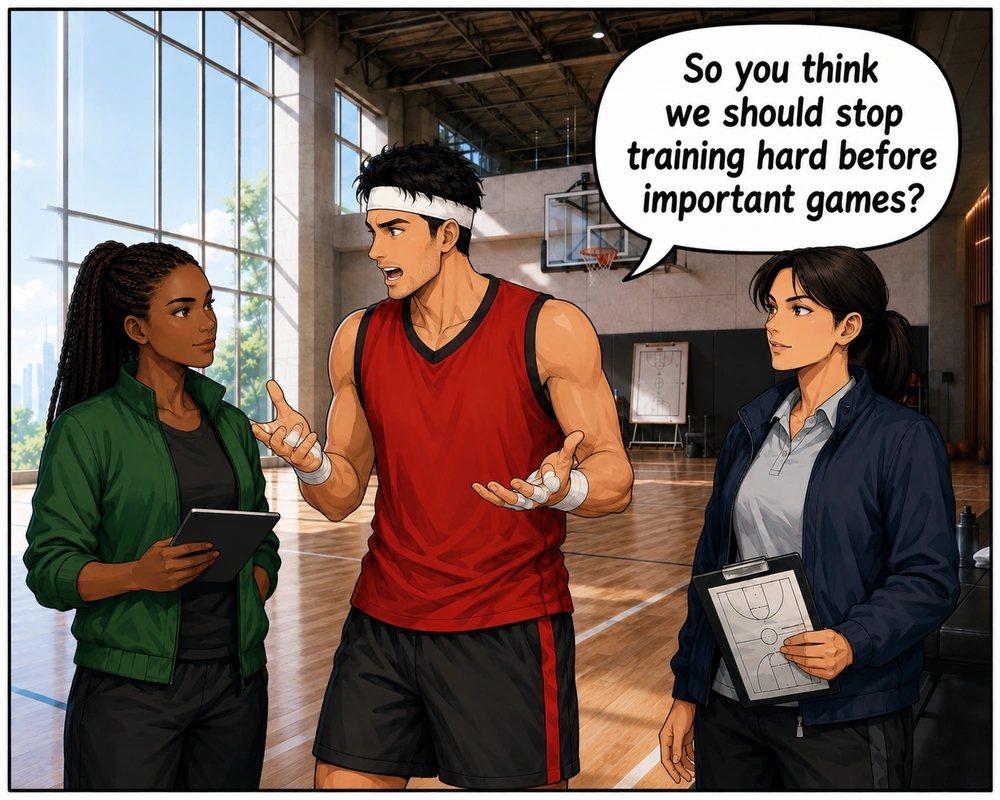
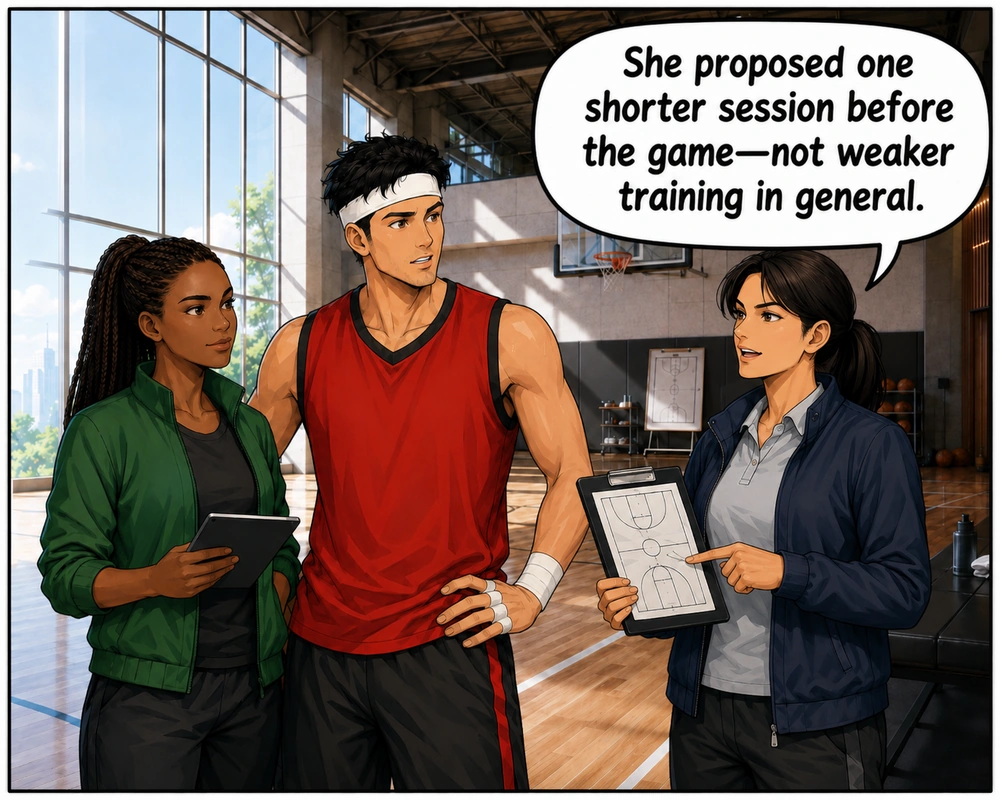


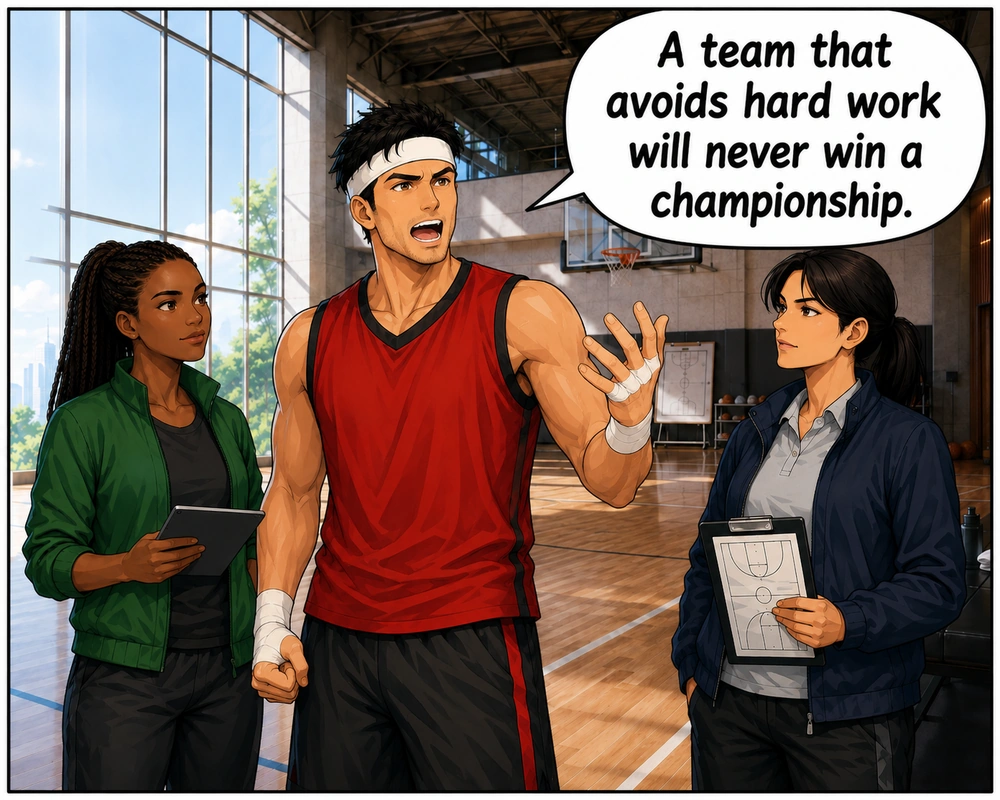

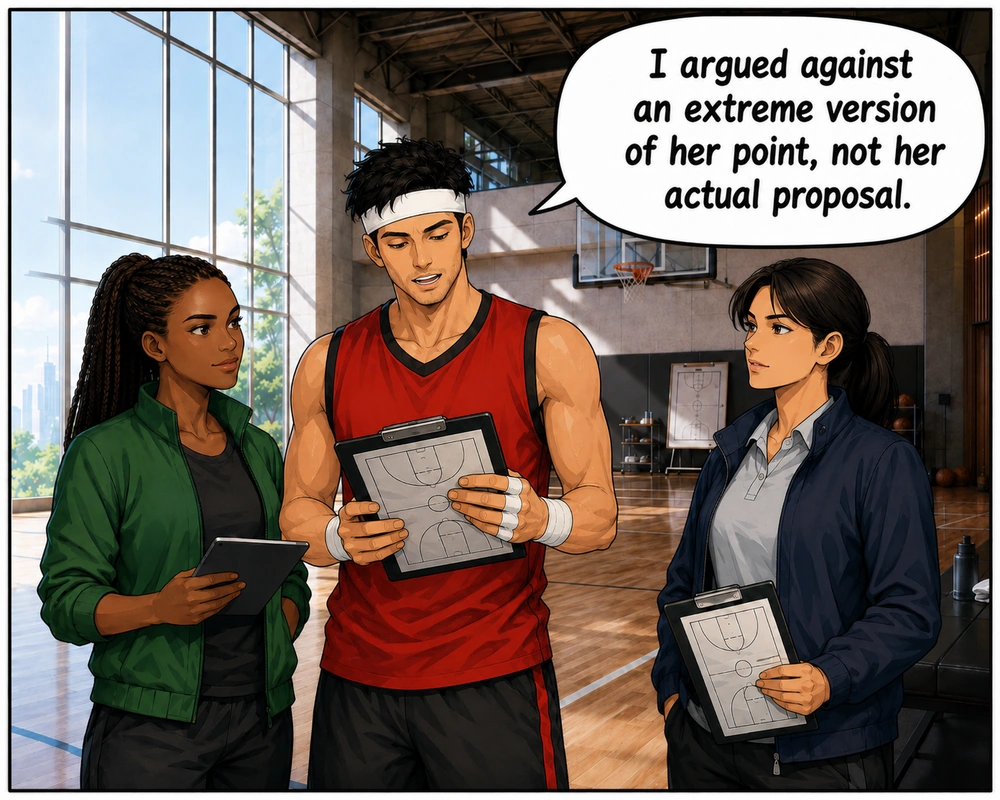


 ANIMATED LESSON
See the Substitute Take Over
A 60-second lesson shows how a precise proposal gets replaced, criticized, and recovered before the real discussion disappears.
 Transcript
00:00–00:08: Narrator: A strawman can begin when a limited proposal is translated into a much broader one.
00:08–00:17: Analyst: I’m recommending one shorter session after back-to-back games, then we review the recovery data.
00:17–00:26: Player: So the plan is to make training easy whenever the week gets difficult?
00:26–00:35: Coach: A team that lowers its standards will not be ready for the playoffs.
00:35–00:44: Narrator: The criticism sounds forceful, but it targets the substitute—not the proposal that was actually made. The stronger the criticism sounds, the easier it becomes to miss that substitution entirely.
00:44–00:53: Analyst: I did not propose lower standards. I proposed one measured adjustment with a review date.
00:53–01:00: Narrator: Restate the exact claim, compare it with the substitute, and return the discussion to the strongest fair version.

REAL-LIFE DEEP DIVE
Strawman Arguments in Real Life
See how credible disagreements become unproductive when a narrower claim is replaced by an easier target.

A Recovery Trial Becomes Avoiding Hard Work
A performance analyst proposes one evidence-based adjustment, but the meeting shifts to whether the whole team should stop training seriously.

 What Happened
Setup: Maya, a performance analyst for a professional basketball club, asks the head coach and team captain to test one shorter high-intensity session after weeks with two away games. The trial would last three weeks and keep every other practice unchanged.
- Maya: The workload data suggests one recovery-focused session could reduce fatigue without changing our weekly standards.
- Jordan: So now the answer to a difficult schedule is to stop training hard?
- Maya: No. I’m proposing one adjusted session after specific travel weeks, followed by a review.
- Coach Lee: We cannot build a championship team by treating demanding practice as optional.
- Maya: That is not the plan on the table. Can we evaluate the actual three-week trial and its safeguards?
- Coach Lee: Yes. Let’s compare the proposed session with our current workload before deciding.
Immediate consequence: The substitute claim nearly turns a measurable pilot into a debate about commitment. Restating the exact scope allows the group to examine evidence, trade-offs, and review criteria.
 How the Argument Gets Replaced
 Limited trialOne session
 Broader substituteEasy training
 Substitute attackedStandards questioned
 Evidence skippedData ignored
 Decision delayedReal proposal lost

One Quiet Evening Becomes Ending the Friendship
A request for one evening alone is recast as emotional withdrawal, forcing a friend to defend the entire relationship instead of discussing the plan.

What Happened
Setup: Jordan and Amara have been close friends and training partners for four years. After a demanding week, Amara says she will skip Friday’s team dinner to rest at home, while keeping their Saturday plans exactly as arranged.
- Amara: I’m exhausted, so I’m going to stay home Friday and meet you Saturday as planned.
- Jordan: If you no longer want to spend time with us, you could just say that.
- Amara: I said I need one quiet evening. I did not say I’m leaving the group.
- Jordan: It sounds like the friendship only matters when it is convenient.
- Coach Lee: Jordan, you are answering a rejection Amara did not make. Her request is about Friday night.
- Jordan: You’re right. I felt disappointed, but I should respond to the actual plan.
Immediate consequence: The distorted interpretation turns a scheduling choice into a loyalty test. Once the original request is restored, disappointment can be discussed without making Amara defend the friendship itself.
The Shift Away From the Request
- Specific needOne evening
- Meaning expandedPulling away
- Relationship judgedFriendship doubted
- Reassurance demandedPlan sidelined
- Real need obscuredRest unresolved

A Safety Review Becomes Banning Competition
A limited youth-sports review is portrayed as an attempt to remove challenge and contact from every competitive program.

What Happened
Setup: At a regional youth-sports board meeting, Dr. Patel recommends a one-season review of the return-to-play protocol after three athletes resumed competition while still reporting symptoms. The proposal changes assessment steps, not the rules of the games.
- Dr. Patel: I’m asking for an independent medical check before an athlete returns after a suspected concussion.
- Board Member: So your goal is to make youth sports risk-free and remove real competition.
- Dr. Patel: No. The proposal concerns one medical clearance decision after a specific injury risk.
- Board Member: If we follow that thinking, coaches will not be allowed to challenge players at all.
- Chair: Please address the clearance protocol being proposed, not a ban on challenge or contact.
- Board Member: Then my concern is whether the added review can happen quickly enough on game days.
Immediate consequence: The strawman briefly replaces a defined medical safeguard with an imagined campaign against competitive sport. Correcting it reveals a legitimate operational question the board can evaluate.
The Public Debate Detour
- Narrow proposalReview protocol
- Purpose distortedBan competition
- Identity activatedTradition threatened
- Safeguards ignoredScope disappears
- Policy stallsEvidence untested

Two Home-Cooked Nights Become No Social Life
A practical meal-planning experiment is exaggerated into a rule against restaurants, celebrations, and spontaneous time with friends.

What Happened
Setup: Jordan notices that frequent last-minute takeout is straining his monthly budget. He tells two friends he plans to cook at home on Tuesday and Thursday for the next month, while leaving weekends and special occasions unchanged.
One friend laughs and says Jordan is becoming the person who never goes anywhere and judges everyone who orders dessert. The conversation quickly moves from two planned dinners to whether adulthood should be rigid and joyless. Jordan starts explaining that he still enjoys restaurants, birthdays, and spontaneous plans, even though none of those choices were challenged. Amara pauses the exchange and asks everyone to repeat Jordan’s actual proposal. When they do, the extreme lifestyle rule disappears, and the group can discuss whether two predictable meals would realistically save money.
Immediate consequence: The exaggeration creates an unnecessary all-or-nothing choice between budgeting and social connection. Returning to the limited experiment makes the trade-off proportionate and testable.
From Small Plan to Extreme Rule
- Practical choiceTwo dinners
- Absolute versionNever eat out
- Lifestyle attackedNo spontaneity
- Original benefit lostBudget ignored
- Choice polarizedAll or nothing
WHEN IT IS—AND ISN’T—A FALLACY
Is It a Strawman or a Legitimate Critique?
Strong criticism is fair when it engages the actual claim, its evidence, assumptions, and likely consequences.

Likely a Strawman Argument
- The original position is broadened, simplified, or exaggerated.
- The response attacks a claim the speaker did not make.
- Important qualifications or supporting reasons quietly disappear.
- Corrections are ignored while the substitute keeps returning.

Potentially a Legitimate Critique
- The response accurately restates the claim before challenging it.
- Questions target evidence, assumptions, feasibility, or consequences.
- Qualifications remain visible throughout the disagreement.
- The speaker can correct misunderstandings without being dismissed.
Spot Weak ArgumentsReason Clearly